
Getting Engineers to Value PR by Improving Performance and Support
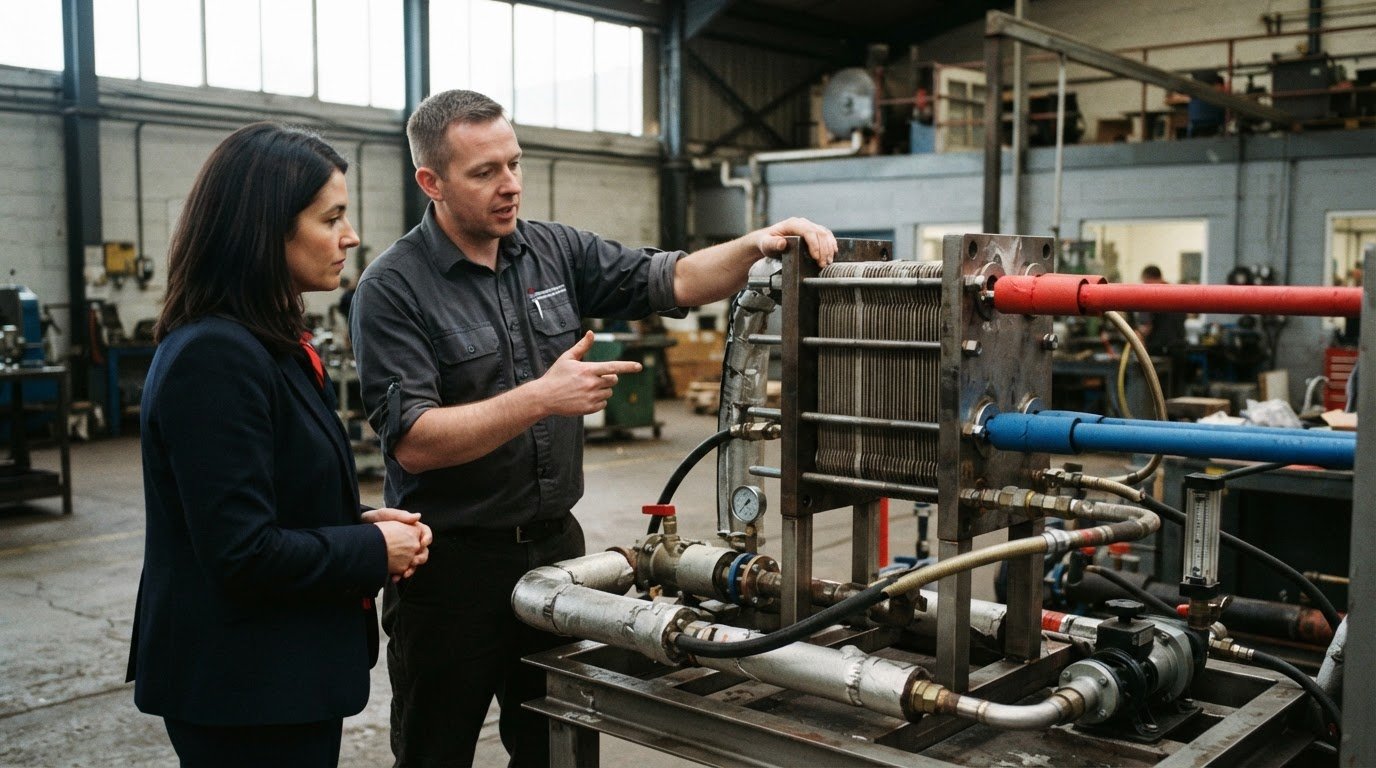
PR earns engineering support when it is accurate, planned around technical work and clear about the time it requires. Getting engineers to value and support PR efforts starts with showing how their expertise will shape the story, not asking them to endorse claims they have not reviewed. Early input helps teams verify technical details and gives engineers confidence in what will be shared.
Engineers are right to be cautious when a communications request seems disconnected from project demands or risks oversimplifying the work. Clear briefs, focused requests and a review process that respects technical judgement can address those concerns.
This article explains how engineering input can improve PR and make collaboration more straightforward. It covers where support matters most, how to reduce friction between technical and communications teams, and how accurate stories can build trust with professional audiences. The aim is a practical working relationship: engineers contribute knowledge only they have, while PR teams make it clear and relevant to the people who need it.
Key Takeaways
- Involve engineers early so they can shape technical messages and build confidence in what PR communicates.
- Explain PR’s business value through clear objectives and evidence of how communications support professional audiences.
- Keep engineering input focused with defined requests, realistic review windows and a clear approval process.
- Recognise contributions in ways that respect engineers’ expertise and make their role in communications visible.
- For trade shows and other industry events, coordinated PR support can help connect technical stories with media and attendees.
Table of Contents
- Building confidence through proactive engineering support
- How can PR teams demonstrate the business value of PR to engineers?
- How can engineering teams contribute to PR without disrupting their work?
- How can companies recognize or incentivize engineers who support PR
- BCM Public Relations: Exhibition & Event Support
Building confidence through proactive engineering support
Confidence grows when technical knowledge has a clear route into communications. Getting engineers to value and support PR efforts means treating their input as part of the process, with clear ownership and a reliable record of approved technical information.
Demonstrating PR’s business value
Engineering knowledge adds value to PR when it explains decisions that matter beyond the design team. A technical story can show why a system uses a particular configuration, what trade-offs shaped it and which operating conditions informed the design. This gives professional audiences context to assess the work, rather than presenting a feature without its engineering rationale.
Map story opportunities to engineering milestones, such as a completed prototype review or a documented process change. This gives PR a basis for discussing work at the right stage of development. It also helps engineers distinguish a useful explanation of their work from a request to endorse a product.
Contributing without disrupting engineering work
A shared technical reference can prevent repeated interpretation across communications. It might record approved product terminology, diagrams, project descriptions and the technical owner for each subject. PR can use the reference when developing material, and engineers can update it when designs or terminology change. Its value is continuity across stories, not another request for a fresh explanation.
For example, a company preparing for an automation exhibition could align technical diagrams, display descriptions and media materials around the same approved terminology. Exhibition and event support can help coordinate those communications around the event’s technical content.
Preparing and recognising engineers for PR
Recognition can mean giving technical contributors ownership of a subject area, rather than treating every interview as a one-off appearance. A controls engineer, for instance, could become the internal reference for explaining system integration, while another specialist covers testing methods. This makes expertise easier to find and gives contributors a clear role in the organisation’s external communications.
Agree how expertise will be credited before publication. Some engineers may prefer to be named as authors; others may contribute technical review without public recognition. Recording preferences helps the communications team represent contributions accurately and gives managers a clearer view of the specialist knowledge being shared.
Addressing resistance to PR requests
Resistance can arise when engineers cannot tell where technical responsibility ends and editorial judgement begins. Set those boundaries in the working process: engineers own the technical interpretation, while PR owns the communications format and audience framing. When a story moves from explanation to a performance claim, make that distinction explicit in the draft.
A simple claims register can help maintain that distinction. For each technical statement, record its source, owner and approved wording. If a future announcement refers to the same system, the team has a traceable starting point rather than relying on memory. This structure builds confidence through consistency while leaving engineers responsible for the substance of their work.
Proactive engineering input can strengthen the technical basis for communications before production decisions are final. Engineering teams can review designs, analyse failure modes and recommend adjustments before a component enters production. With an agreed route for capturing this work, PR can explain how reviews and adjustments inform a component’s development, while engineers remain responsible for technical accuracy. Keeping the explanation tied to work already completed ensures external material reflects the design’s maturity and the reasoning behind it.
Engineering-driven suppliers can collaborate with design and maintenance teams, provide application-specific recommendations, troubleshoot and support root-cause analysis. This practical collaboration can add context to communications about how engineering challenges are addressed, rather than relying on broad performance claims. Engineering support can also add capacity and problem-solving expertise for lean teams with limited in-house resources. For communications teams, it helps identify relevant technical contributors and clarify which details are appropriate to share. Agreeing review and approval responsibilities early gives engineers a manageable way to contribute, helps PR present their work in context and provides a sound basis for future discussions with professional audiences. The result is a clearer connection between engineering activity and external explanations, without turning technical support into an interruption or an unsupported promotional claim.
How can PR teams demonstrate the business value of PR to engineers?
Engineers are more likely to support PR when they can see what it achieves. Explain the purpose, evidence and limits of each activity. A press release count records work completed, but not whether the intended audience understood the technical point. Useful evaluation connects communications activity with audience response and business priorities, without claiming PR caused outcomes it cannot prove.
Set measures before work begins
Agree on success measures before a campaign begins. For a new industrial sensor, the aim might be to explain its operating conditions to plant managers. Relevant measures could include coverage in publications those managers read, accurate descriptions of the sensor’s function and enquiries that refer to the story.
Separate outputs from outcomes. Outputs include interviews completed, articles published and technical content produced. Outcomes concern what audiences understood or did, such as asking informed questions at an exhibition. This distinction helps engineers see PR’s contribution and prevents activity totals from being presented as proof of commercial impact.
Choose measures that match the objective. If the goal is to correct a misconception about a process, assess whether coverage repeats the accurate explanation. If the goal is to reach a new sector, record whether relevant trade publications cover the topic. A large audience figure alone cannot show whether the people reached matter to the business.
Connect PR activity to engineering priorities
Use a real engineering priority to explain why a story deserves attention. A company introducing a new testing method, for example, might want customers to understand how it informs product selection. The engineer can clarify what the method measures; PR can explain its relevance to the intended audience.
Report evidence in terms engineers recognise. Show the published wording, identify which technical messages appeared, and note any inaccuracies or omissions. If an article explains a testing method correctly but leaves out its operating limits, report both points. That assessment is more useful than calling the coverage positive without explaining why.
Describe business relevance carefully. A trade article may give a sales team a credible reference for a later conversation, but it does not prove the article generated that opportunity. Record how sales colleagues use the coverage, alongside any enquiries that mention it. Treat this as evidence of use, not automatic proof of cause.
Make results visible and useful
A concise report can show engineers what happened and what follows. Include the original objective, relevant coverage, message accuracy and audience response. For instance, if a feature prompts questions about installation constraints, that feedback can inform future explanations. Keep the source and context beside each observation so an anecdote is not mistaken for a wider trend.
Review patterns across activities rather than drawing conclusions from one article. If several pieces explain a technical process accurately, that suggests the framing is working for those outlets. If coverage repeatedly misses a qualification, revise the brief or technical explanation. The next PR plan can then build on evidence from earlier work instead of repeating the same approach.
To connect these measures with a communications plan, discuss your PR objectives with the team.
How can engineering teams contribute to PR without disrupting their work?
Engineering input fits more easily when PR uses existing technical knowledge and routines. A project review, test report or product briefing can provide the starting point for communications, rather than requiring engineers to create a separate narrative. The PR team can shape that material for the intended audience and send specific points back for technical review.
Use existing project information
Start with material engineers already use, such as a product specification, test summary or commissioning document. For a new pump, an existing record might explain its operating conditions and design purpose. PR can turn that information into a draft case study, while the engineer checks claims about performance and application.
Keep source material attached to the draft. A brief reference to the relevant drawing, test result or project record helps the reviewer assess a specific claim without reconstructing the project history. If a detail has changed since the document was produced, the engineer can identify the current version and explain the difference.
This approach also separates technical facts from communications choices. An engineer confirms what a component does; the PR writer decides how to explain it to a buyer unfamiliar with the design. For example, the engineer might describe a seal’s function, while the copy explains why that function matters during equipment operation.
Offer different ways to contribute
Not every engineer needs to give an interview. A subject specialist could provide written answers, review a diagram, record a short voice note or identify the colleague best placed to explain the work. These options help PR gather accurate detail without keeping the same person from an engineering task for an extended discussion.
For a product update, a technical lead might confirm the design change, while a project engineer explains its use in a customer setting. PR can combine their contributions and send each person only the passages relevant to their expertise. This keeps review focused and avoids asking people to read material about technical areas they do not know.
Plan around project activity
Match communications requests to the project’s actual workflow. During commissioning, engineers may need to focus on site issues; after handover, the project team may have clearer records and a suitable spokesperson. A communications calendar can note these milestones, planned product announcements and periods when technical access is limited.
For an upcoming trade event, PR can prepare interview themes and product information in advance. Engineers can then contribute during an agreed briefing or demonstration, rather than receiving unplanned requests throughout the day. A clear point of contact can collect media questions and route technical queries to the right person.
Keep review responsibilities clear
Define what the engineer is reviewing. They might check technical accuracy, product terminology and stated performance conditions, while PR manages structure, readability and media context. If a claim needs evidence, the draft can identify the supporting project record or test material.
Use a single version of each draft and gather comments in one place. If an engineer flags a phrase as inaccurate, PR can ask what wording reflects the engineering reality. For example, replacing “maintenance-free” with a precise description of the required inspection avoids an unsupported claim and gives readers useful information.
After publication, share the final coverage with contributors and note any technical questions it prompted. That feedback can inform the next project story without creating a new reporting task. Engineers contribute most effectively when their input is specific, connected to real work and handled through a process that respects their technical responsibilities.
The team may be committed to other project work. Keep requests aligned with those periods, and use available learning resources when technical context is needed. Maser University offered employees access to a library of online courses to help engineers maintain their licences and stay current with technology. This can help PR teams seek informed input while respecting engineers’ existing responsibilities.
How can companies recognize or incentivize engineers who support PR
Recognition works best when it reflects the engineer’s actual contribution. A technical interview, draft review and detailed project explanation each require different effort. Managers can acknowledge these contributions in team meetings, project updates or performance discussions. A specific example, such as an engineer correcting a product claim before publication, makes recognition credible and connects it to professional judgement.
Make PR work visible as part of the project, not an unexplained extra. If an engineer contributes to a case study about a new testing process, record their role alongside other project responsibilities. Their technical input can also be credited in approved content. This shows colleagues and managers the expertise behind the published explanation.
Some engineering employers also use formal development support as an incentive. In a survey of architectural, engineering, planning and environmental consulting firms, 89% paid employees’ professional registration exam and registration fees. In that surveyed group, 47% automatically gave employees a salary increase or cash bonus after passing their first exam. These figures concern professional registration, not PR participation, but show examples of structured recognition.
Education support offers another model. Among surveyed full-service engineering firms, 92% offered tuition or fee reimbursement. Among another group of surveyed firms, 75% offered tuition or fee reimbursement, while 54% allowed employees to attend classes during work hours. Nearly half reimbursed books and supplies for courses-for-credit. These are not direct incentives for media work; they illustrate ways employers can value learning and professional contribution.
For PR participation, a company could offer relevant development rather than a generic reward. An engineer who regularly explains technical subjects might receive media interview training. Someone who contributes to product launches could build presentation skills through a relevant event briefing. The opportunity should fit the engineer’s role and interests, not imply that public visibility is required for career progression.
Managers should distinguish recognition from pressure. Engineers should not be rewarded for repeating a preferred message if doing so compromises technical accuracy. Acknowledging a careful correction, clear explanation or well-prepared interview reinforces the quality of the contribution. It also shows that the company values sound judgement, including when it means changing a draft.
Set a simple process: agree on the contribution, get the engineer’s consent for any public credit, then acknowledge the work through an appropriate channel. For example, a project lead can thank a technical reviewer in a team update, while the communications team shares the final coverage with contributors. Any direct reward should follow company policy and the engineer’s normal performance framework.
If your team wants to plan engineering participation around a launch or industry event, discuss event support for your engineering team.
BCM Public Relations: Exhibition & Event Support
BCM Public Relations helps engineering businesses plan PR around exhibitions and industry events. Its Exhibition & Event Support coordinates communications before, during and after an event, giving engineers a clear role in technical conversations with visitors and media.
Strategic PR Planning, Media Relations and Technical Copywriting can support the wider programme, from defining the event’s message to preparing clear material about engineering work. Media Training can help technical spokespeople prepare for interviews. This support is useful when an event needs to reach professional audiences and engineering input must fit around operational demands.
To discuss Exhibition & Event Support for your engineering communications, contact BCM Public Relations.
Build a stronger working relationship
Getting engineers to value and support PR efforts takes sustained cooperation, not a single request for input. Make technical communications part of how the business shares its work, involving engineers where their knowledge adds accuracy and context. This gives PR teams a clearer basis for communicating complex ideas while keeping technical judgement central.
BCM Public Relations can help engineering businesses plan this work through Strategic PR Planning, Media Relations and Technical Copywriting. These services can align communications with business priorities and make technical information clear to professional audiences. The right starting point depends on the story, the audience and the support your team needs.
Discuss your engineering communications priorities with BCM Public Relations. A clear plan can help your technical expertise reach the audiences who need to understand it.
Frequently Asked Questions
Why should engineers support public relations efforts?
Engineers should support PR because their technical knowledge helps professional audiences understand how a product or process works in practice. For example, explaining a control system’s integration requirements can help buyers ask informed questions about its use. Communications also bring external questions into view, giving engineering teams insight into where customers need more context. PR does not replace engineering evidence; it makes that evidence easier to understand.
What are effective ways to build trust between engineers and PR teams?
Trust grows when PR teams learn engineering terminology and constraints before requesting interviews or technical input. Create a shared glossary for terms such as rated capacity, operating range and prototype status, then use it consistently. Agree how confidential project details are handled and who decides whether they can be disclosed. Engineers can see that communications respect internal boundaries, while PR gains a sound basis for asking useful questions.