
5 Elements of a Product Recall PR Strategy for Manufacturers
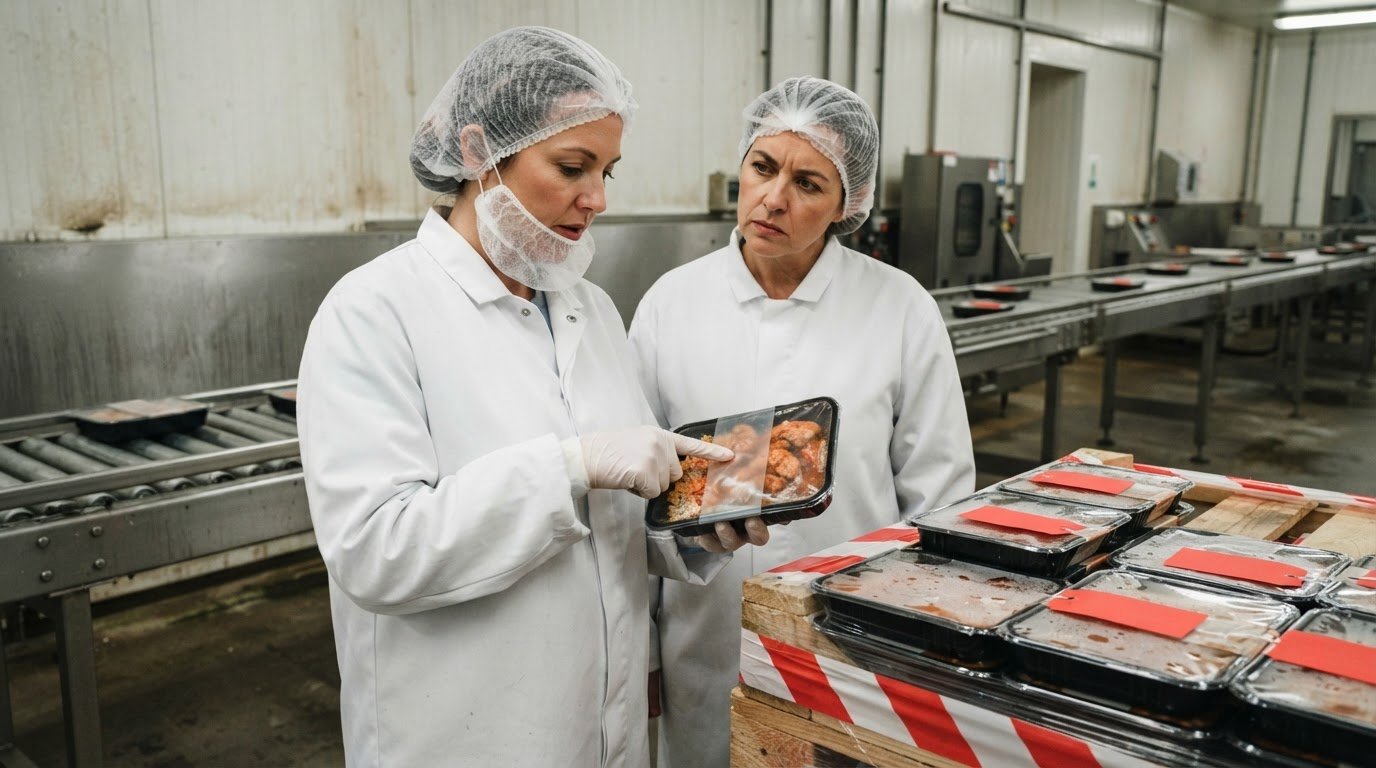
A product recall is managed on the factory floor, but people also judge how clearly the manufacturer explains what has happened. A PR strategy for a product recall in manufacturing gives teams a way to coordinate messages, assign responsibilities and communicate what affected customers and business partners should do.
Manufacturers know that speed matters when a safety issue emerges. But a fast statement is useful only if it is accurate, consistent with the response plan and clear about what people need to do.
This article explains why a recall PR plan belongs alongside operational and legal preparation, how to prepare prompt public statements, and how to manage legal, financial and reputational risks. It covers five elements, from defining who leads communications and agreeing the facts to selecting channels and keeping stakeholders informed as the response develops.
Key Takeaways
- Assign recall-team roles in advance so technical, legal and communications decisions have clear owners.
- Under 21 CFR 117.139, food manufacturing facilities must have a written recall plan covering notification, conducting the recall and verifying its effectiveness, according to the U.S. Electronic Code of Federal Regulations.
- Prepare public statements that explain the known defect, affected products and actions customers and supply-chain partners should take.
- Keep communications and response records aligned; they can help teams manage legal exposure and review the recall afterwards.
- Plan communications before a recall occurs, including how to explain technical information in clear media messaging.
Table of Contents
- What are the risks of getting product recalls wrong?
- What is a Product Recall PR Plan and Why Do Companies Need It?
- Prompt public statements and recall announcements
- Recall-related legal, financial, and reputational risks
- Recall management team responsibilities
- BCM Public Relations: Video Production & Photography
What are the risks of getting product recalls wrong?
If a recall message omits the affected model, batch or hazard, consumers may not know whether their product is involved. Give each audience a clear instruction: stop using the product, isolate it, return it or follow the stated disposal process. Customers need to know the remedy and where to ask questions. Vendors and suppliers need affected product identifiers and instructions for holding stock. Notify distributors and retailers promptly so they can remove affected products from supply and prevent further sales.
Build the communications plan around defined crisis-team roles. A technical lead confirms product details and the hazard; legal counsel reviews liability and regulatory requirements; operations coordinates stock controls; and a communications lead manages approved messages. The relevant authority depends on the product and the issue. In the United States, companies generally must notify relevant government agencies, including the Consumer Product Safety Commission. Notification requirements and deadlines depend on the product and applicable regulator, so identify the correct route rather than relying on a generic timetable.
Customers are best reached through channels they can act on: direct email or text where contact details are available, a clear recall notice on the company website, and matching instructions through retailers and distributors. Use social media to direct people to the full notice, not to replace product-specific instructions. A social media strategy can help keep public updates aligned with customer responses. No single channel reaches every buyer, so repeat the same verified facts across the channels in use.
Automated customer notices can speed distribution, but only when product and contact records are accurate. Link affected lot or serial numbers to the relevant customer, distributor and retailer records, then log when each notice was sent and any response received. Keep a dated record of approved statements, agency contacts, complaints, reported injuries and corrective actions. Route customer incident reports to the designated safety lead, rather than treating them as routine service queries.
Social media needs active moderation during a recall. Assign a trained responder to acknowledge complaints, request order or batch details privately and direct users to the approved remedy. Escalate safety reports to the crisis team and record the response. Do not speculate about the cause or offer unapproved assurances. Clear roles, consistent instructions and reliable records help prevent conflicting advice while affected products remain in circulation.
What is a Product Recall PR Plan and Why Do Companies Need It?
A product recall PR plan sets out how a manufacturer will communicate when a product issue requires action. A PR strategy for a product recall in manufacturing connects operational decisions with clear messages for employees, distributors, customers and the media. Without an agreed process, teams may use outdated product details, delay a notice or give stakeholders conflicting instructions. The plan names decision-makers, sets approval routes and assigns responsibility for updates.
For food manufacturing facilities, the U.S. Electronic Code of Federal Regulations states that under U.S. regulation 21 CFR 117.139, a written recall plan must include procedures for notification, conducting the recall and verifying its effectiveness. Other manufacturers need plans suited to their products, markets and applicable regulatory processes. Involving technical, legal, operations and customer-facing teams before an incident helps clarify how each group contributes.
Preparation starts with a contact tree and a clear escalation path. Define who can initiate a recall, confirm the affected product and approve public statements. Set out how distributors, retailers and suppliers will receive instructions to hold or remove affected stock, and how updates will reach customers and relevant regulators. A named spokesperson needs approved facts and should know how to handle questions without speculation.
Rehearsals test whether these arrangements work under pressure. For a mock recall, select a product and trace its identifiers through production, warehouse and sales records. Ask the team to locate affected batches, draft a customer notice and map the notification chain. Record gaps, such as missing retailer contacts or unclear approval responsibilities, and assign corrective actions. Food manufacturers can use the exercise to test recall logistics alongside public communications.
Traceability helps define the scope. Link supplier records for raw materials to production lots, finished goods and distribution records. During a mock recall, aim for 100% reconciliation between quantities identified and inventory and distribution records. Document assumptions and gaps so the team can see where records may delay decisions about which products to isolate.
Spokesperson practice should use realistic questions about the hazard, affected units, customer action and remedy. Test whether the speaker sticks to verified facts and routes technical questions to the right lead. Include messaging and spokesperson preparation in recall communications planning.
Prompt public statements and recall announcements
A recall announcement should explain the defect, identify affected products and tell customers what to do. Include model names and batch or serial identifiers, instructions for stopping use and the available remedy. Describe the known risk without guessing at its cause. For products that may cause serious health problems or death, the FDA classifies food recalls as Class I. Match the urgency of the message to the identified hazard.
Prompt communication gives customers and business partners clear instructions while the recall is underway. Issue a public notice once the safety issue and affected product scope are sufficiently clear, then update it as facts are verified. Share the same approved details with distributors, retailers, suppliers, customer-service teams and relevant regulators. Date each addition and share it through the same channels, so outdated versions do not continue to circulate.
A product hazard can affect more than consumers. Production may need to stop, stock may need to be isolated, and suppliers may need to provide material or batch records. Explain these operational effects to employees and supply-chain partners in practical terms, while keeping public messages focused on consumer safety and required action. If an investigation is ongoing, distinguish confirmed information from open questions.
Coordinate announcements through one approval process. The technical lead confirms product details, legal counsel reviews the wording, and the communications lead prepares public and stakeholder versions from the same set of facts. Give the spokesperson approved answers about the hazard, affected units, remedy and next update. Route new incidents or changes in scope to these leads before revising public statements.
Monitor customer questions, retailer feedback, media coverage and social responses after publication. Categorise reports by product identifier and issue, then escalate safety concerns to the responsible team. This helps the manufacturer spot recurring confusion, clarify instructions and identify reports that may need investigation. Record each update, complaint, response and action so the communications record matches the operational recall record.
Measure effectiveness by comparing affected products recovered, repaired or replaced with the estimated number in circulation. Also record customer communications, returned or repaired items and post-recall incidents. These measures show whether people acted on the notice and where follow-up may be needed. Review them alongside enquiries and reports from distributors, retailers and consumers, rather than treating media attention alone as proof the campaign reached its audience.
Recall-related legal, financial, and reputational risks
A defect can expose a manufacturer to product liability claims, particularly when consumers report injury or financial loss. A recall does not automatically lead to a lawsuit, but investigators may examine whether the company acted promptly and responsibly after identifying the safety issue. Preserve product testing, design decisions, complaint records and recall actions. These records help establish what the company knew and when it acted.
In the United States, companies conducting product recalls generally must notify relevant government agencies, including the Consumer Product Safety Commission. Requirements vary by product and regulator, so identify the applicable agency and follow its recall process. The FDA or FSIS can detain and seize products if a company refuses to comply with a recall request. Non-compliance can also lead to civil or criminal penalties.
Costs extend beyond retrieving affected goods. Expenses can include communications, legal claims, repairs or replacements, agency fines and lost sales. Product return is generally the most expensive response option. Manufacturers can assess exposure by mapping likely costs, reviewing recall insurance and maintaining a reserve for response expenses. Product-recall costs are often excluded from comprehensive general liability policies, so discuss coverage and defence obligations with insurers early.
Reputation can suffer when customers receive delayed, incomplete or conflicting information. Explain the defect and remedy plainly, keep updates consistent and answer concerns with verified facts. Do not claim the issue is fully resolved until corrective actions have been assessed. For manufacturers selling through distributors, provide partners with the same approved information and instructions to keep customer responses consistent.
After the recall, review the timeline from the first defect report to the final customer communication. Compare the response record with complaints, returned or repaired products and post-recall incidents. Identify where escalation, traceability or message approval slowed action, then assign owners to address each gap. Rebuilding trust takes more than a closing statement: explain the corrective action and keep affected customers informed as changes are implemented. Insurers and suppliers may also help recover eligible expenses through coverage or hold-harmless agreements.
Recall management team responsibilities
A recall team needs a lead with authority to convene decision-makers and track open actions. This person maintains the response log, records decisions and assigns deadlines to named owners. A quality lead investigates the defect, how it occurred and whether other products may share the same component or process. For example, a cracked part could affect several product models if they use the same material batch.
Operations turns the investigation into containment. The production manager identifies affected lines and lots, pauses relevant work where needed, and tells warehouse staff which stock to isolate. The supply-chain lead traces components to suppliers and finished goods to distributors and retailers. This division helps the team assess the product’s scope without treating every item from the factory as affected.
The recall lead coordinates the decision to initiate a recall with technical, legal and executive representatives. Their assessment should cover the hazard, how it arose, the products involved and possible consumer impact. The regulatory liaison identifies the relevant agency and manages required communications. For consumer product safety matters in the United States, this may involve the Consumer Product Safety Commission. The liaison records agency requests and assigns them to the person responsible for each action.
Administration matters during a response. A designated recorder maintains a time-stamped file of evidence, decisions, customer reports, supplier replies and corrective actions. The customer-service lead categorises enquiries by product identifier and escalates reports of injury or continuing risk to the safety lead. Finance tracks repair, replacement, return and communication expenses, while the insurer contact handles policy notifications. Clear ownership prevents tasks from falling between departments.
The team lead should run brief status reviews against a shared action log. Each review confirms what has changed, what remains unresolved and who owns the next step. After the immediate response, the quality and operations leads compare the original scope with returned, repaired or isolated products. They document process changes, such as a revised inspection or supplier control, and assign owners to implement them. This turns the recall record into practical improvements, rather than closing the file when public attention fades.
Social media can create additional customer reports during a recall, so assign a responder to identify safety concerns and route them to the team lead. If your organisation needs help planning this part of its response, discuss social media support for recall communications.
BCM Public Relations: Video Production & Photography
BCM Public Relations helps manufacturers plan recall communications and prepare media materials. Its Video Production & Photography service can provide visual content for employees, distributors, customers or other business stakeholders. Materials should use approved facts and never replace direct safety instructions or the formal recall notice.
Strategic PR Planning can help organise communications around the operational response. The work can map audiences, set message priorities and establish who approves updates as the product scope or remedy changes. A manufacturer may need separate information for employees managing a production line, retailers handling affected stock and customers seeking a clear next step. Planning these messages together can help keep facts consistent across channels.
Video Production & Photography can be used to explain technical processes when written copy is not enough. For example, a manufacturer may need to show how to identify a product label or locate a serial number. Check every image or video against the product and instructions involved, exclude sensitive information and state safety directions plainly. Visual content should support the action people need to take.
Media Relations can support communication with journalists covering a recall. Briefing materials can help spokespeople explain what the company knows, what action is underway and where people can find current instructions. Technical Copywriting can make engineering or quality-control information accessible while preserving distinctions such as affected models, batches or components. These materials can help address questions from journalists or business partners.
Manufacturers can involve BCM Public Relations when preparing a recall plan, reviewing communications roles or responding to an active issue. Planning ahead helps organise messages before pressure builds. During a recall, communications support can help maintain clear updates as verified details change. The work focuses on communications and is coordinated with the manufacturer’s technical, legal and operational decision-makers.
Contact BCM Public Relations to discuss communications planning for your manufacturing business.
Put recall communications into practice
A PR strategy for a product recall in manufacturing is part of operational readiness, not a document to leave untouched until an incident. The next step is to decide how communications planning fits into existing safety, quality and escalation processes, and who will keep those arrangements current as products and supply chains change.
BCM Public Relations supports this work through Strategic PR Planning, Media Relations and Technical Copywriting. These services help shape communications for professional stakeholders and explain technical information clearly to different audiences. The right starting point depends on what is already in place, whether that means developing a plan, preparing media materials or clarifying complex product information.
Putting the communications approach in place before a recall gives teams a defined basis for action when decisions need to be made. Discuss recall communications with BCM Public Relations and take the next step towards a plan that fits your manufacturing operation.
Frequently Asked Questions
How can a company effectively manage internal communications during a recall?
Give employees one reliable source for updates and a clear route for urgent questions. A shift supervisor can brief production staff at handover, while a manager shares the same approved update with customer service and sales. Provide a short internal Q&A that separates confirmed facts from points still under investigation. This helps staff respond consistently and directs safety reports to the responsible team rather than informal channels.
What are the long-term steps a company should take post-recall?
After the immediate response, assign owners to corrective actions and track whether each change has been implemented. For instance, a manufacturer could review a supplier specification, update an inspection procedure and record approval of each change. Continue monitoring complaints and incident reports for signs that the issue persists. A later review should capture lessons for training, product design and future recall exercises.
Are there industry-specific considerations for product recalls?
Yes. The product category affects the hazard assessment, traceability details and regulator involved. In the United States, the FSIS covers meat, poultry and egg products, while the FDA handles other food products; the National Highway Traffic Safety Administration oversees automotive recalls. Make sure the notice uses identifiers relevant to the product, such as food lot codes or vehicle identification details.
Why does it matter?
Recall communication matters because customers need to understand the risk and make an informed decision about an affected product. Business partners also need usable information to manage stock and answer questions. If a public notice, retailer briefing and customer-service response differ, people may receive conflicting advice. A coordinated approach gives each audience information suited to its role in the response.
What are the first steps in a manufacturing product recall communications plan?
Start by bringing together the people who can confirm the product issue and approve action. Establish what is known about the defect, which product records can define its scope and how new findings will be shared. Then map affected audiences, including employees, customers and distribution partners. For example, a change to the affected batch range should trigger a review of every message that names it.
How should a company announce a product recall to customers and the public?
Use a direct notice that helps people identify the product and understand what to do. Put the product name and identifying details near the beginning, explain the known hazard in plain language, and state the required action and available remedy. Include a customer-service route for questions. Keep later updates consistent with the original notice and clearly identify any changes to the affected products or instructions.