
Sustainability Europe 2026: Making progress means making the case
Sustainability teams have plenty to talk about. The harder task is explaining what their work means for their business, particularly when budgets, investment decisions and long-term priorities are being questioned.
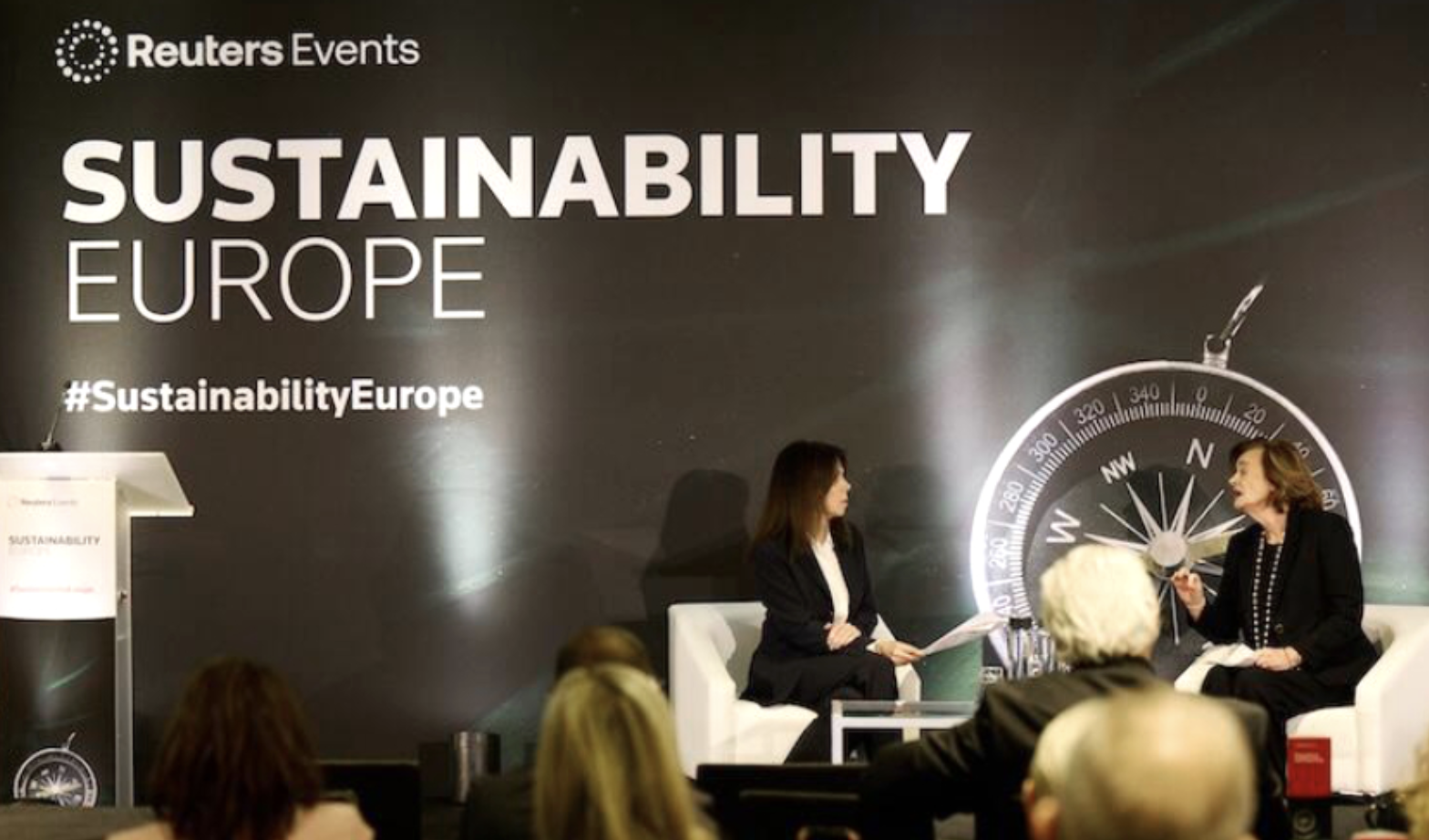
That challenge will be central to Sustainability Europe 2026, a Reuters event taking place in London next week (October 20 and 21). Bringing together senior sustainability, procurement and supply chain executives, the event will explore how businesses can build resilience and demonstrate the commercial value of sustainability.
The programme encompasses strategy, regulation and reporting, supply chains and data, nature and biodiversity, and circularity. The practical question is how companies turn sustainability commitments into decisions that improve the way they operate?
Improving energy efficiency, reducing material waste or reusing water can give a sustainability programme a tangible connection to everyday operations. A project becomes easier to understand when a company can explain what changed, how it measured the result and why that result matters.
That is also where the communications opportunity lies.
A commitment to become more sustainable gives audiences an indication of intent. A clear account of how a manufacturer reduced energy use at a particular facility gives them something they can assess. What was the starting point? Which changes made the difference? Could the approach work elsewhere?
The detail matters, including the difficulties. Supplier data may be incomplete. A promising technology may still need testing at scale. Investment may depend on a business case with a payback period of several years. Explaining those constraints helps audiences understand the work involved and makes the story more credible.
Companies preparing communications around next week’s event should identify that evidence before deciding on the headline. A measured result, a lesson from implementation or an informed view on a difficult industry question can provide the basis for a worthwhile interview or article.
Communications around the event should also reach people who are not attending. Procurement teams, engineers, customers and investors may each need a different explanation of the same project. The explanation should reflect what each audience needs to know.
Sustainability Europe offers an opportunity to discuss how responsible business can support resilience and growth. Communicators should explain those connections with evidence, and be clear about what still needs to happen.