
Energy security is no longer just about production
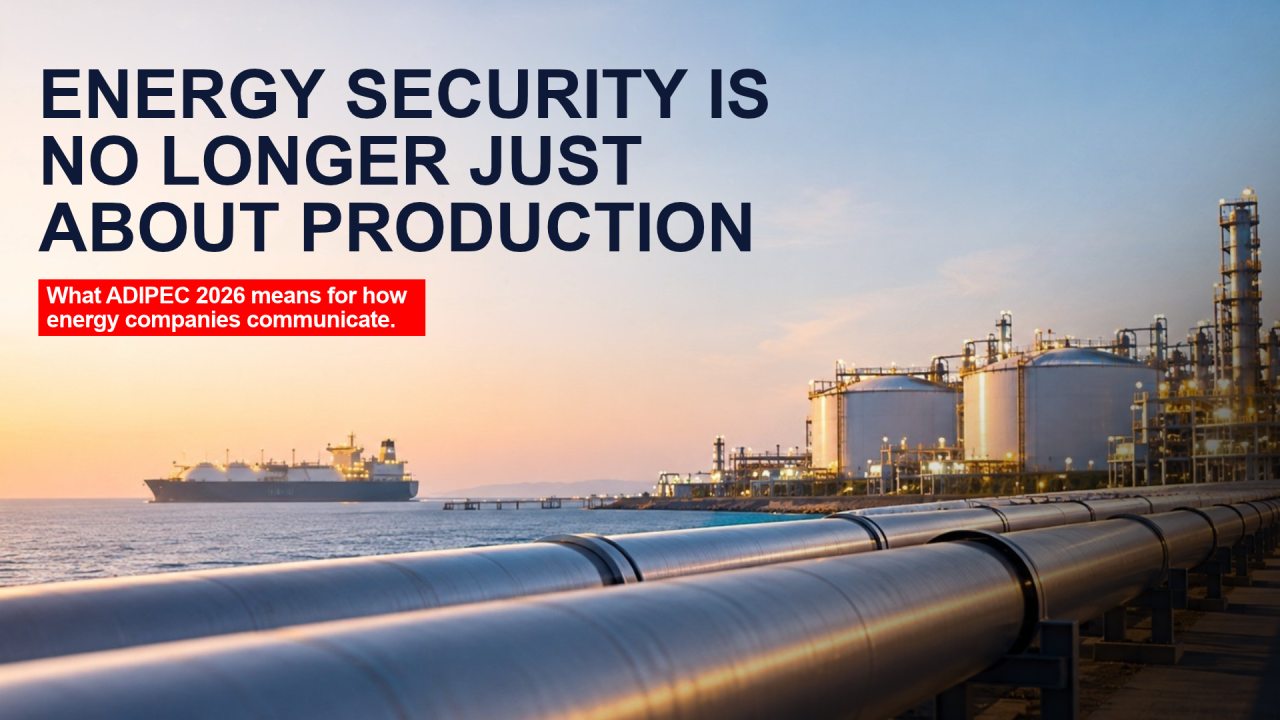
Energy security has traditionally been associated with access to sufficient oil, gas and electricity supplies. However, disruption in the Strait of Hormuz has exposed a broader challenge: producing enough energy is only part of the equation. Ensuring it can be transported, stored and delivered reliably is equally important, as is communicating that reliability to stakeholders.
This was a central theme at ADIPEC 2026, held in Abu Dhabi from 2–5 November, where industry leaders discussed the investment and infrastructure needed to strengthen global energy resilience.
From production capacity to supply resilience
In his opening address, ADNOC Managing Director and Group CEO Dr Sultan Ahmed Al Jaber argued that energy security must be measured at the point of delivery, not just production. He highlighted nearly one billion barrels drawn from global inventories following the Hormuz disruption, alongside logistics costs rising from under 5% to more than 30% of the cost of a barrel.
He outlined five priorities: accessible supply, reliable routes to market, operational intelligence, investor confidence and workforce development.
These priorities reflect the risks posed by transport bottlenecks, limited storage and disruptions to critical shipping routes, even when sufficient resources are available.
Infrastructure investment takes centre stage
Infrastructure featured prominently at ADIPEC, including discussions on strengthening transport networks, expanding storage and improving operational flexibility.
Recent disruptions have demonstrated the risks of relying on limited transport corridors or supply sources. Diversifying routes, developing alternative infrastructure and maintaining strategic reserves can reduce these vulnerabilities.
However, building resilience requires significant capital and long-term planning. Pipelines, terminals, and storage facilities cannot be developed overnight, making today's investment decisions critical to future supply security.
Technology's role in energy security
ADIPEC also highlighted how artificial intelligence, automation and advanced analytics can strengthen energy operations.
These technologies can improve asset monitoring, anticipate equipment failures and help operators identify potential disruptions earlier. However, their effectiveness depends on reliable data, integration with existing systems and the ability to turn insights into operational decisions.
What this means for communications
Investor confidence was among Al Jaber's five priorities, highlighting the importance of clear communications alongside operational resilience.
As supply disruptions affect costs and delivery reliability, investors, governments and customers need to understand how energy companies are managing these risks.
Companies investing in storage, alternative routes and operational improvements must communicate their strategies clearly, explaining the costs, timelines and expected benefits.
This requires evidence-based messaging, transparency around trade-offs and crisis communications plans established before disruptions occur.
What comes next?
ADIPEC 2026 reinforced that energy security extends across the entire value chain. Production remains essential, but reliable supply also depends on infrastructure, technology and effective communication.
For energy companies, the challenge is not only building more resilient systems, but demonstrating to stakeholders how those investments will support reliable energy delivery.