
Could wastewater become a strategic resource for data centres?
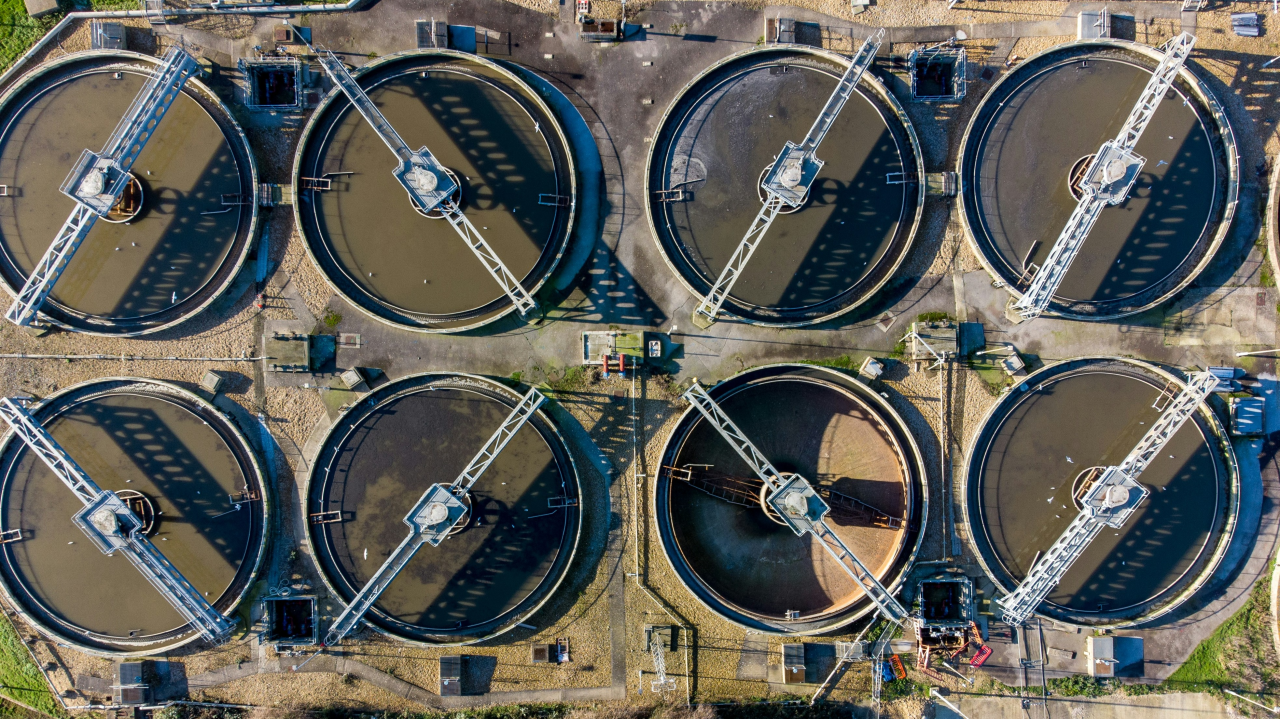
When we talk about the resources needed to support the next generation of data centres, electricity usually comes first. Water should be part of that conversation too.
Much of the focus is on where the power will come from, whether grids can support rising demand and how new capacity can be delivered sustainably. But data centres also depend on significant volumes of water for cooling. According to the University of Oxford, a relatively small 1 MW data centre using traditional cooling can use around 26 million litres of water per year.
As digital infrastructure expands and freshwater supplies come under increasing pressure, this raises a broader question: could data centres make better use of water that is already available to us?
The principle is not new. Treated wastewater is already being considered for industrial applications where drinking-water quality is unnecessary. Data centres are one example, with reclaimed municipal wastewater capable of being treated and reused for cooling, reducing reliance on potable water supplies.
The opportunity could eventually extend further. Oil and gas production, for example, generates large volumes of what is known as produced water. Produced water has traditionally been reinjected or discarded, but advances in treatment technology are making reuse viable.
Produced water is challenging, as it can contain oil, suspended solids, dissolved salts and other contaminants, and its composition can vary considerably. That means reuse is not as simple as passing it through a single filter. However, modern treatment trains are becoming sophisticated. Technologies such as advanced membrane filtration can remove oil and suspended solids, while further treatment, including desalination and reverse osmosis where required, can prepare water for new uses.
This creates a wider conversation about industrial planning. Could proximity to reliable sources of reclaimed water become one of the factors considered when choosing locations for future data centres? In some regions that might mean locating close to municipal wastewater infrastructure. Elsewhere it could mean exploring partnerships with industrial facilities or, where conditions allow, using appropriately treated produced water from energy operations.
The objective is not to build data centres beside oilfields simply because a water source exists. Treatment requirements, transport distances, regulation, energy consumption and economics all need to make sense. But as water becomes a more important constraint, access to alternative water sources could increasingly influence where and how digital infrastructure is developed.
The underlying principle is important. As demand for digital infrastructure grows, we may need to stop viewing wastewater purely as something to dispose of and start viewing it as a potential resource.
Technology is already allowing industries to recover, treat and reuse water that would once have been discarded. The next step is to think more creatively about where those water streams exist, who needs them and how different industries could work together.
The data centre of the future may therefore depend not only on where power is available, but on where water can be used more intelligently too.