
AI’s next bottleneck might be a transformer
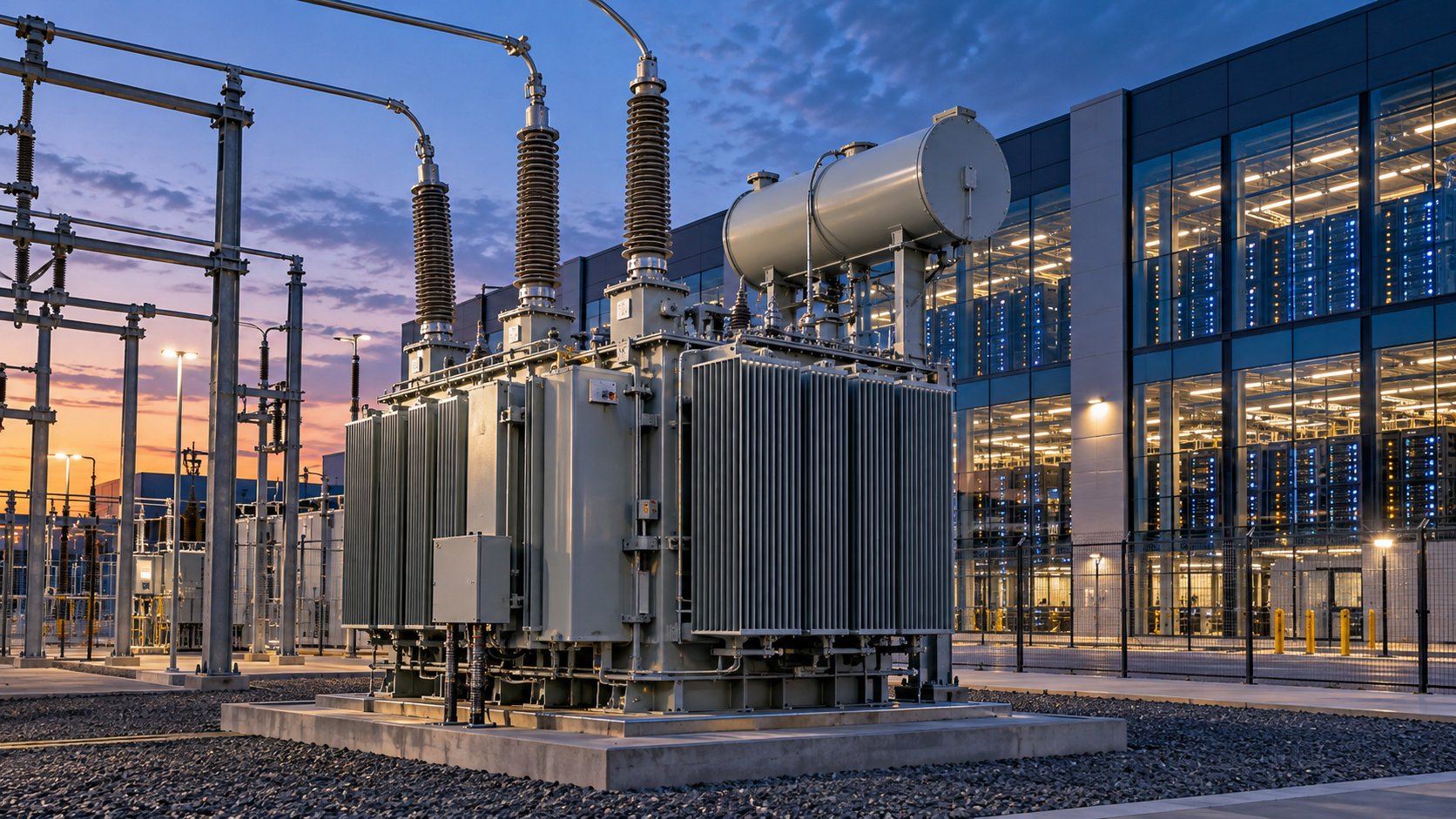
What happens when an AI project has its servers ready, its funding secured and an opening date in the diary, but the equipment needed to power it is still on order? It is an awkward question for an industry used to talking about how quickly everything is moving.
If you are wondering how a transformer ended up in the AI conversation, it raises or lowers voltage as electricity moves through the grid. Data centres need this equipment to receive power at the appropriate voltage, just as factories do.
With so much attention on what AI might do next, it is easy to overlook the equipment needed to keep it running. An ambitious project still needs a dependable electricity supply before anyone can put those expensive servers to work.
According to the International Energy Agency, new grid infrastructure can take five to fifteen years to plan and complete, while a data centre can take one to three. Getting those schedules to line up is quite a challenge before you even consider equipment shortages.
In its September analysis, McKinsey reports transformer lead times of up to five years, although waiting times vary by equipment and region. For anyone trying to get a project off the ground, that makes the delivery date a rather important detail.
Producing more transformers involves skilled workers, specialist materials and extensive testing. Manufacturers cannot magic up another production line overnight, however healthy their order books might look, and building a new factory brings construction and recruitment demands of its own.
Meanwhile, power networks are accommodating demand from data centres alongside electric vehicles and industrial electrification, while also replacing ageing equipment. Suppliers have several demands to meet, with each order having to suit the network where the equipment will be installed.
For a manufacturer planning more automation, this could become a familiar problem. If the site needs additional electrical capacity, the schedule for upgrading its power supply may affect when the new machinery can start earning its keep.
With equipment availability helping to determine when projects can open, the engineers designing and supplying that infrastructure have a perspective worth hearing. They can explain why connections take time, what particular upgrades involve and how those decisions affect a project’s opening date.
For PR teams working with these companies, that knowledge gives journalists something useful to work with. An engineer who can explain a delay clearly, or describe how a project overcame a connection problem, can help readers understand what happens behind an AI investment announcement. Interviews and contributed articles give those practical experiences a wider audience.
The same approach can improve a supplier’s own announcements. If extra manufacturing capacity is on the way, explain when it will be ready and what customers can expect from it. Industrial PR has a useful job here, bringing the engineering into the conversation and giving people enough detail to judge whether delivery promises stack up.