
Trade Show PR for Engineering Firms: A Strategic Roadmap for 2026
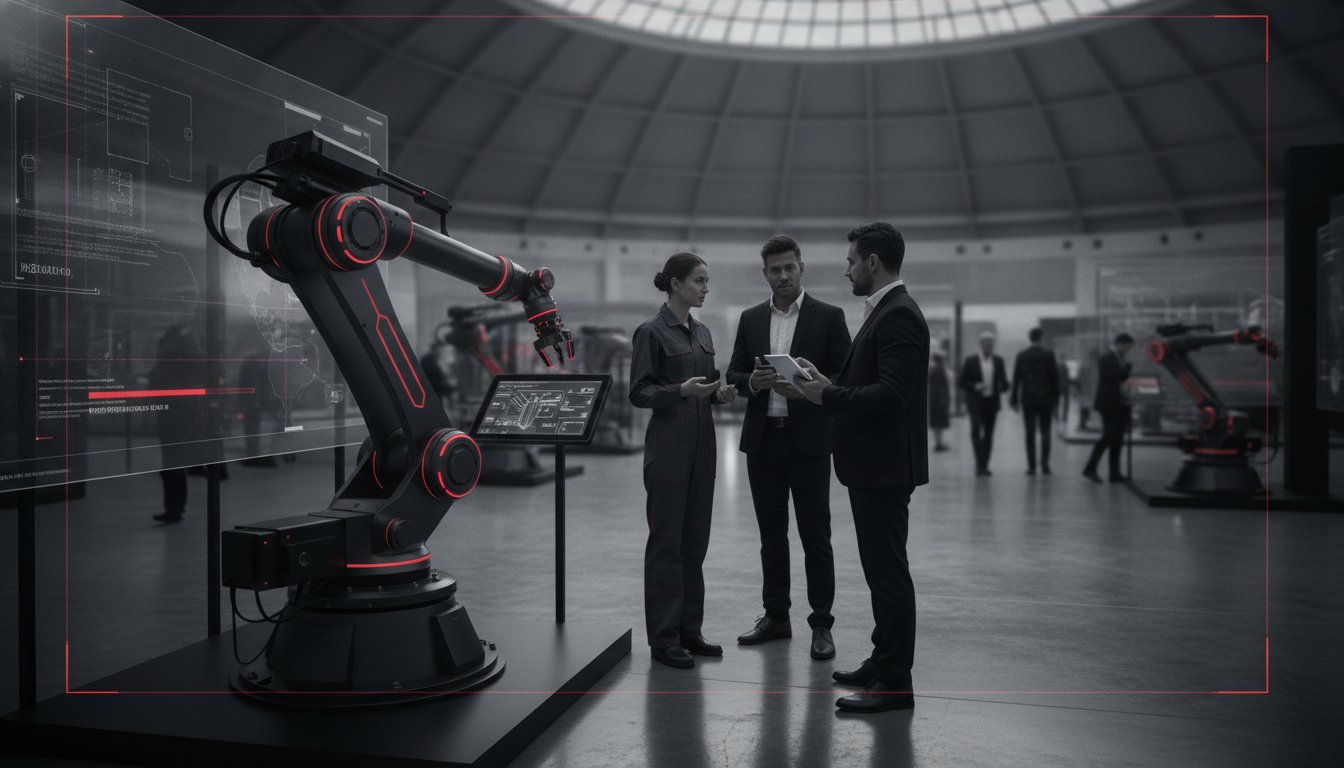
Did you know that up to 80% of trade show leads are never followed up, effectively rendering a significant portion of your exhibition budget obsolete before the crates are even packed? Whilst the high cost of exhibition space is a known factor, the true challenge of trade show PR for engineering firms lies in bridging the gap between sales objectives and technical credibility. You're likely familiar with the disconnect between your subject matter experts and the corporate communications team; it's a gap that frequently results in missed opportunities with sceptical, technical journalists who value technical rigour over marketing polish.
We'll show you how to transform your exhibition presence into a powerful reputational asset by aligning technical thought leadership with strategic media relations. This roadmap for 2026 details the exact steps to secure tier-one editorial coverage and ensure your firm is positioned as a genuine innovator. By the end of this guide, you'll understand how to create a sustained stream of high-quality leads that persist long after the show floor closes.
Key Takeaways
- Understand the shift from passive lead-scanning to active authority-building as a core component of modern industrial reputation management.
- Implement a strategic 12-week countdown to engage technical journalists and influencers, ensuring your trade show PR for engineering firms generates high-tier editorial coverage.
- Master the balance between booth management and high-stakes media interactions to capture compelling stories as they happen on the exhibition floor.
- Extend your reach beyond the event hall by integrating thought leadership seminars with real-time digital amplification for the "at-home" engineering audience.
- Maximise your return on investment by repurposing event-specific technical content into white papers and blogs that drive lead generation long after the show concludes.
Table of Contents
- The Evolving Role of Trade Show PR for Engineering Firms
- Pre-Show Strategy: Engineering Earned Media and Technical Buzz
- On-Site Media Management: Navigating the Exhibition Floor
- Integrating Thought Leadership and Digital Amplification
- Post-Show PR: Sustaining Engineering Momentum and ROI
The Evolving Role of Trade Show PR for Engineering Firms
The traditional view of a trade show as a mere lead-generation exercise is rapidly being replaced by a more sophisticated model of strategic reputation management. For years, the primary metric of success was the quantity of badges scanned. However, in the high-stakes world of industrial B2B, a database full of names rarely equates to market leadership. Strategic trade show PR for engineering firms focuses on transforming these physical gatherings into platforms for authority-building. It's about ensuring that when a decision-maker walks past your stand, they already recognise your firm as a technical pioneer through pre-event editorial coverage.
In an increasingly digital industrial landscape, the value of face-to-face media relations hasn't diminished; it's intensified. Technical journalists are often sceptical of polished digital marketing, yet they remain deeply invested in seeing physical hardware and speaking directly to the engineers who designed it. This human element provides a level of technical verification that a PDF brochure cannot replicate. By 2026, we're seeing a distinct shift towards smaller, more specialised niche events. These focused exhibitions allow for deeper technical discourse and more meaningful engagement with tier-one industrial journals.
From Booth Traffic to Technical Credibility
Engineers are inherently analytical. They tend to trust peer-reviewed editorial coverage and technical white papers far more than expensive booth graphics or sales pitches. Effective PR validates the technical claims you make on the show floor by placing your innovations within the context of wider industry challenges. It builds long-term B2B brand equity by positioning your firm as a problem-solver rather than just a vendor. When your technical experts are quoted in a leading trade publication during the event, it provides an immediate seal of approval that accelerates the complex sales cycle.
Navigating the 2026 Industrial Event Landscape
The industrial event calendar is evolving. Whilst massive international expos still hold weight, there's a growing preference for regional driving distance shows that allow senior engineers to attend without significant downtime. These events often provide a more concentrated audience within specific engineering sectors, making them ideal for targeted PR campaigns. Additionally, the rise of hybrid exhibitions means your trade show PR for engineering firms must now address both the physical attendee and the at-home professional who engages via digital streams. Success in 2026 requires a fluid approach that bridges the gap between the physical stand and the global digital audience.
Pre-Show Strategy: Engineering Earned Media and Technical Buzz
Success in trade show PR for engineering firms is determined months before the exhibition floor opens. Whilst many firms focus on booth logistics, the most successful technical brands prioritise a rigorous 12-week countdown to secure earned media. This period is critical because industrial journals often finalise their "show preview" issues up to two months in advance. Missing these deadlines means your news is buried amongst a thousand other announcements during the event itself. By starting early, you position your firm as a primary source for journalists who are actively looking for the most significant technical breakthroughs to feature in their pre-show coverage.
The first step involves precise media segmentation. You must distinguish between high-level industrial journalists, specialised technical editors, and emerging industry influencers. Each group requires a different approach. A tier-one journal might require an exclusive briefing on a new patent-pending technology, whilst an influencer may be more interested in a live demonstration of a modular system. Developing a technical hook is essential here. Rather than simply announcing a product launch, frame your news around a specific industrial challenge, such as energy efficiency or automation bottlenecks, to differentiate your firm from the noise of general exhibitors.
Crafting the Technical Narrative
Maintaining credibility with engineering editors requires a narrative built on evidence rather than hyperbole. This is where technical copywriting becomes a strategic asset. Your pre-show press kit must translate complex specifications into a compelling industrial story that highlights the "why" behind the engineering. Avoid empty marketing adjectives; instead, focus on functional outcomes and performance data. Editors are far more likely to engage with a well-structured technical briefing that respects their audience's expertise than a generic sales pitch.
Securing Editorial Placements and Pre-Show Interviews
Securing a slot in a major engineering journal's show preview requires a delicate balance of transparency and timing. Managed embargoes are a powerful tool here. By offering a major reveal to a select group of journalists under a strict non-disclosure agreement, you ensure deep, considered coverage on the day the show opens. Complement this by using LinkedIn to engage with media contacts in the weeks leading up to the event. A thoughtful comment on an editor's recent article or a brief, personalised message can warm up the relationship, making your formal pitch far more effective. If you are unsure how to begin segmenting your target media list, you might consider how a specialised PR partner can streamline this outreach.
On-Site Media Management: Navigating the Exhibition Floor
Once the exhibition doors open, the focus of trade show PR for engineering firms shifts from strategic planning to tactical execution. Whilst the official Press Room serves as a central repository for media kits and corporate announcements, the real stories are almost always captured at the booth. This is where technical journalists can witness hardware in operation and interrogate the logic behind your latest engineering solutions. Managing these walk-in media enquiries requires a structured approach; your sales staff must be trained to recognise press badges immediately and transition the conversation to a designated spokesperson without disrupting stand operations.
Coordinating live demonstrations for technical journalists and analysts is perhaps the most critical element of on-site management. These interactions provide the physical evidence that backs up your pre-show claims. To ensure these moments have a life beyond the event, you must capture high-quality visual assets for immediate distribution. In 2026, the speed of digital news means that a technical editor may file their story from the show floor. Providing them with professional imagery or a short video clip of your technology in action can be the difference between a brief mention and a full-page feature.
Briefing Technical Experts for Media Interactions
Subject matter experts possess the depth of knowledge required to satisfy technical editors, yet they often struggle to condense complex data into concise, newsworthy narratives. This is where media training becomes indispensable. It equips your engineers with the skills to bridge the gap between abstract specifications and industrial impact. They must be prepared for challenging questions regarding safety standards, compliance, or competitive benchmarking, ensuring that every interaction reinforces your firm's position as a reliable authority.
Executing the On-Stand Press Event
Timing is a critical variable when executing an on-stand press event. You should ideally schedule major announcements for the morning of the first or second day, ensuring maximum media attendance before journalist fatigue sets in. It's vital to have the right technical personnel on hand to provide immediate follow-up details, as editors often work on tight filing deadlines. Integrating professional photography and video into the event is equally important. High-quality visual assets of a live demonstration can be distributed to trade journals within hours, significantly increasing the likelihood of prominent editorial placement.
Integrating Thought Leadership and Digital Amplification
A physical stand serves as a vital anchor, yet the stage is where an engineering firm’s intellectual capital is truly verified. In 2026, the most effective trade show PR for engineering firms extends far beyond the perimeter of the exhibition hall. By securing speaking slots and technical seminar sessions, you transition from a vendor to a visionary. These platforms allow your experts to address the complex industrial challenges your technology solves, providing a level of depth that a floor demonstration cannot always reach. This approach ensures your on-site presence aligns perfectly with your broader industrial marketing objectives, creating a unified brand voice across all channels.
Digital amplification is the bridge between the physical event and the global engineering community. Whilst 49% of trade shows now incorporate hybrid or virtual components, even purely physical events require a robust digital strategy to engage the at-home audience. Your booth should serve as a high-value backdrop for video interviews and technical deep-dives. These assets don't just fuel real-time engagement; they provide a library of authoritative content that can be deployed across your digital ecosystems for months following the event. This strategy ensures your technical message reaches decision-makers who couldn't attend in person.
Maximising the Impact of Technical Seminars
A 20-minute presentation shouldn't be a fleeting moment. It's the foundation of a year-long content campaign. By recording the session and repurposing the research into technical white papers or LinkedIn articles, you extract maximum value from the initial investment. Driving media interest in these seminars requires proactive outreach; invite technical editors to the session and offer exclusive follow-up interviews to discuss the findings. This methodical approach allows you to capture lead data from attendees whilst establishing a reputation for technical rigour that persists long after the stage lights dim.
Digital PR: The Social Media Echo Chamber
Utilising event-specific hashtags allows your firm to join the global engineering conversation in real-time. Live-tweeting technical insights or sharing behind-the-scenes footage of a major reveal positions your firm as an active market observer. Employee advocacy is equally potent; encourage your on-site engineering team to share their professional perspectives on their own channels. This authentic, peer-to-peer communication often carries more weight with technical audiences than corporate announcements. If you want to ensure your technical experts are prepared to lead these conversations, you can discuss our strategic PR support to refine your digital approach.
Post-Show PR: Sustaining Engineering Momentum and ROI
The dismantling of the exhibition stand marks the beginning, not the conclusion, of the most impactful phase of trade show PR for engineering firms. Whilst the immediate buzz of the event is valuable, the "second wave" of editorial coverage typically emerges in the weeks following the show. This is when journalists have the time to synthesise their notes and produce in-depth technical features. Repurposing exhibition content into technical white papers and detailed blogs ensures that the insights shared during the event continue to build authority. Integrating these assets into a sophisticated B2B nurture programme allows you to maintain engagement with the high-value leads captured on-site, providing them with the technical rigour they require to move through the sales cycle.
Effective post-show PR ensures that your investment continues to yield results long after the logistics teams have departed. It requires a transition from reactive floor management to proactive content distribution. By aligning your follow-up activities with the specific needs of your technical audience, you transform a single event into a sustained period of market influence. It's a process that validates the initial expenditure by ensuring your technical message reaches the widest possible audience of decision-makers.
Turning Media Contacts into Long-Term Relationships
Establishing long-term relationships with industrial editors requires a disciplined follow-up strategy. Adhering to a strict 48-hour rule ensures you remain relevant whilst the technical discussions are still fresh in the journalist’s mind. Use this opportunity to provide additional data points, high-resolution imagery, or clarified technical specifications that may've been requested during the floor interview. A powerful way to cement these professional ties is by inviting editors for exclusive site visits to your manufacturing facilities. This level of transparency offers them a deeper understanding of your operational excellence and often leads to recurring editorial opportunities.
Measuring PR ROI in the Engineering Sector
Traditional metrics like Equivalent Advertising Value are often insufficient for assessing the true impact of PR in specialised industrial sectors. Instead, you should focus on shifts in sentiment and the expansion of your technical reach amongst niche audiences. Tracking how trade show PR influences the sales pipeline, specifically how earned media coverage acts as a trust signal during the due diligence phase, provides a clearer picture of strategic value. PR ROI is the delta between pre-show obscurity and post-show authority. By moving beyond surface-level impressions, you can demonstrate how strategic communication delivers a tangible competitive advantage and a measurable return on your exhibition investment.
Mastering the Strategic Impact of Industrial Exhibitions
Transforming a physical presence into a lasting reputational asset requires a move from tactical logistics to strategic communication. Success in 2026 isn't defined by the volume of business cards collected; it's measured by the depth of editorial influence and the technical authority established amongst industrial journalists. By implementing a rigorous pre-show narrative whilst maintaining a disciplined post-event follow-up, your firm ensures that the high cost of exhibition attendance delivers a sustained return on investment.
Effective trade show PR for engineering firms is a refined craft that synthesises complex data into persuasive professional stories. At BCM, we've spent more than 40 years translating intricate engineering into compelling narratives. Our global network of industrial media contacts and specialised media training for technical subject matter experts provide the strategic confidence needed to navigate high-stakes international markets. We understand the nuances of the B2B sales cycle and the importance of establishing immediate credibility within niche sectors.
Secure your next exhibition’s success with BCM’s specialist support. Your next event is an opportunity to redefine your market position and we're ready to help you seize it.
Frequently Asked Questions
Why is trade show PR different for engineering firms compared to consumer brands?
Trade show PR for engineering firms differs primarily due to the technical complexity of the products and the analytical nature of the audience. Consumer brands often rely on emotional appeal and mass-market reach. In contrast, industrial PR focuses on establishing technical rigour and authority amongst a niche group of specialised editors. These journalists prioritise evidence, performance data, and functional impact over flashy marketing aesthetics or superficial trends.
How far in advance should an engineering firm start its trade show PR programme?
We recommend initiating your trade show PR for engineering firms at least 12 weeks before the exhibition doors open. This lead time is essential to accommodate the long production cycles of major industrial journals, which often finalise their show-preview issues two months in advance. Starting early allows you to secure prominent editorial placements and manage strategic embargoes for significant technical reveals before your competitors saturate the news cycle.
What should be included in a technical press kit for an industrial exhibition?
A technical press kit must include high-resolution product imagery, detailed specification sheets, and evidence-based case studies that demonstrate functional ROI. It's also vital to include executive biographies and a clear technical narrative that explains the "why" behind your engineering innovations. Providing these assets in a digital format ensures that journalists can easily access the data they need to file accurate stories whilst working on tight deadlines.
Can we get media coverage if we don’t have a large booth at the show?
Editorial value is entirely independent of the square footage of your stand. Whilst a large booth attracts foot traffic, trade show PR for engineering firms focuses on the strength of the technical narrative to secure coverage. Small firms frequently achieve tier-one editorial placement by offering exclusive briefings on genuine technical breakthroughs. It's the quality of the "hook" and the relevance of the innovation that captures a journalist’s attention.
How do we prepare our engineers to speak to the media without sharing trade secrets?
Media training is the most effective way to prepare technical subject matter experts for media interactions. This process teaches engineers how to bridge the gap between deep technical data and concise, safe soundbites. By establishing clear "no-go" zones and practising controlled responses, experts can confidently share the value of an innovation whilst protecting sensitive intellectual property and maintaining corporate compliance standards.
What are the most effective PR metrics for measuring trade show success in B2B?
The most effective metrics move beyond vanity figures like impressions to focus on sentiment and sales pipeline influence. You should track the quality of editorial mentions in top-tier industrial journals and the subsequent engagement with repurposed technical content. Ultimately, success is measured by the delta between pre-show obscurity and post-show authority, specifically how PR activity supports the long-term B2B trust-building process and lead conversion.
How can we use trade show PR to support our SEO and digital marketing strategy?
Strategic PR provides high-authority backlinks from reputable trade publications, which significantly boosts your site’s domain authority. Additionally, the technical content generated for the event, such as video interviews and white papers, serves as high-value fuel for your digital marketing channels. This integration ensures that the buzz created at the physical event continues to drive organic traffic and supports your broader SEO objectives for months following the show.
Is it worth hiring a specialist PR agency for a single trade show event?
Engaging a specialist agency for a single high-stakes event is often a strategic investment to ensure maximum ROI. A firm with deep roots in the engineering sector brings a global network of industrial media contacts and a nuanced understanding of technical narratives. This expertise allows you to bypass the learning curve and secure immediate, high-quality coverage that a generalist agency might struggle to achieve in a complex market.