
Securing Keynote Speaking Opportunities: A Strategic B2B Guide for 2026
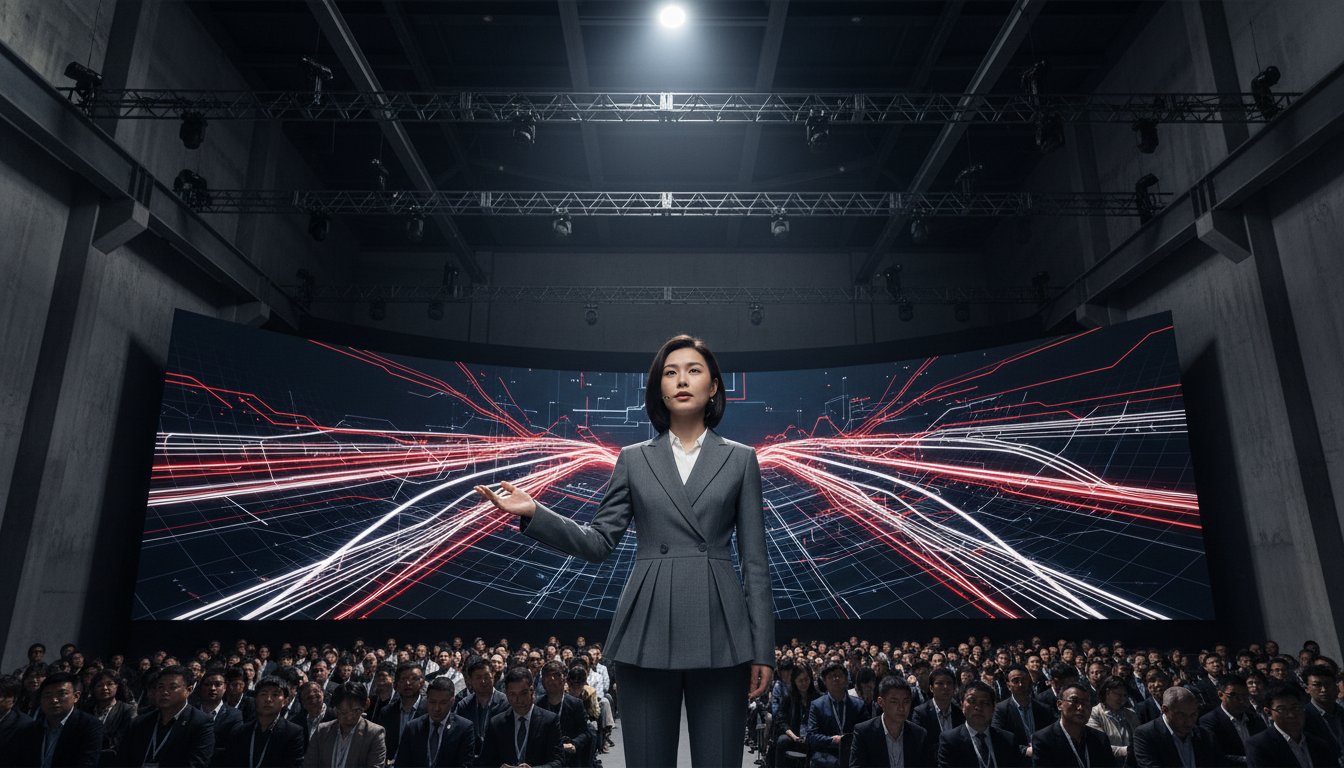
Securing a top-tier headliner can increase early-bird registrations for an industry event by as much as 40%, yet many firms find that securing keynote speaking opportunities remains a significant challenge due to high rejection rates. You've likely experienced the frustration of watching competitors command the main stage while your most capable specialists struggle through time-intensive application processes. With 38% of event professionals citing cost as their primary challenge in 2026, organizers are increasingly selective, favoring proven voices over technical abstracts that lack a clear narrative arc.
This article provides the strategic framework you need for positioning your experts as the primary problem-solvers in your niche. We'll examine how to synthesize intricate data into persuasive professional stories and leverage the 2026 shift toward data-driven, experiential events to establish your brand's authority. You'll learn to move beyond the superficial pitch and adopt a methodical approach that transforms complex engineering into the thought leadership that global event organizers demand.
Key Takeaways
- Define the strategic distinction between earned authority and sponsored slots to align your outreach with specific commercial objectives.
- Audit the digital footprint of your technical experts to ensure their online presence reflects the precision and depth expected by global event organizers.
- Master a problem-first narrative framework when securing keynote speaking opportunities to transform complex engineering data into persuasive professional stories.
- Evaluate the 2026 event landscape to determine whether niche technical symposiums or executive summits offer the highest strategic return.
- Learn why integrating stage appearances into a holistic thought leadership program is essential for establishing a reputation as a strategic specialist.
Table of Contents
- What Defines a Keynote Speaking Opportunity in the B2B Sector?
- Building a High-Authority Speaker Platform
- Navigating the 2026 Event Landscape: Earned vs. Sponsored Slots
- The Art of the Pitch: Converting Expertise into Main-Stage Narratives
- Partnering for Global Speaking Success: The BCM Advantage
What Defines a Keynote Speaking Opportunity in the B2B Sector?
In the context of international trade summits and technical conferences, a keynote speech serves as the strategic "north star" that aligns the event’s diverse themes into a single, cohesive narrative. It's the primary delivery mechanism for setting the conference tone; for organizations focused on securing keynote speaking opportunities, understanding this role is vital. A keynote isn't merely a longer presentation. It is an authoritative statement that establishes the speaker, and by extension their company, as a primary architect of industry progress. This position at the top of the event hierarchy ensures that the speaker’s insights become the lens through which attendees view the rest of the programming.
The 2026 event landscape draws a sharp distinction between "earned" authority-based slots and "sponsored" keynotes. Earned slots are awarded to those who demonstrate pre-existing expertise through rigorous thought leadership and technical copywriting. In contrast, sponsored slots are often part of a broader exhibition and event support package. While both offer visibility, the earned slot carries a unique weight of credibility that cannot be bought. There's a clear move away from "visionary" fluff. Audiences now demand solution-oriented technical mastery that addresses granular operational challenges rather than vague future predictions. This shift requires a more disciplined approach to content development, where expertise is prioritized over generalities.
The Keynote vs. Breakout Session: Strategic Differences
The strategic difference between a main-stage keynote and a breakout session lies in the scope of influence and audience reach. A keynote commands the attention of the entire delegation, maximizing brand reach and attracting significant media interest from trade publications. Breakout sessions are valuable for deep-diving into niche technical tracks, but they lack the same level of authority-building potential. Preparing for a keynote requires a synthesis of high-level business strategy and technical precision, demanding a level of polish that reflects a firm's global professional standing.
Why Industry Leaders Prioritise Speaking Engagements
Industry leaders prioritize these engagements because they provide direct access to high-level decision-makers and analysts who are often shielded by gatekeepers. These stages act as a catalyst for shortening complex B2B sales cycles by establishing trust at scale. Securing keynote speaking opportunities effectively positions an expert as a "Strategic Specialist" in the eyes of potential partners. Beyond the immediate audience, a successful keynote generates secondary benefits through earned media coverage and high-authority digital content that fuels long-term SEO and brand reputation.
Building a High-Authority Speaker Platform
Establishing a robust platform is the primary prerequisite for securing keynote speaking opportunities in highly competitive industrial sectors. Event committees in 2026 don't just look for titles; they seek a documented history of technical rigor and intellectual leadership. A thorough Digital Footprint audit reveals whether an expert's online persona mirrors their operational depth. If a search for a Chief Engineer yields only generic corporate updates, organizers will likely pass in favor of someone with a visible trail of industry-specific commentary and peer-reviewed insights.
Becoming a sought-after keynote speaker requires a curated digital presence that proves an expert can hold a room's attention while delivering rigorous value. Technical copywriting plays a vital role here, as it builds the "paper trail" necessary to justify a main-stage slot. By leveraging existing whitepapers and technical articles, you provide tangible evidence of "stage readiness." These documents serve as the foundation for a Speaker One-Sheet, which must speak the language of event organizers by highlighting clear learning objectives and the commercial ROI for attendees.
Integrating these assets into a long-term Strategic PR Planning initiative ensures your experts remain visible to the right committees throughout the year. By prioritizing a documented history of insight, you simplify the process of securing keynote speaking opportunities by providing committees with undeniable proof of authority.
Curating the Technical Narrative
Translating complex engineering data into a compelling business case is a refined craft. It requires identifying a "Unique Insight" that only your expert can provide, moving beyond standard industry observations. The 2026 Strategic Specialist acts as a high-level consultant who translates granular engineering complexities into actionable executive strategies while maintaining absolute technical credibility. This persona bridges the gap between the lab and the boardroom, ensuring the narrative resonates with diverse stakeholder groups.
The Importance of Media Training for Technical Experts
Even the most brilliant engineers often benefit from specialized media training to ensure their delivery matches the weight of their expertise. Performance coaching helps experts bridge the gap between "operational" talk, which can be overly dense, and "executive" delivery, which prioritizes clarity and impact. This training is a prerequisite for keynote success, as it provides the steady hand needed to navigate high-stakes international environments with professional grace.
Navigating the 2026 Event Landscape: Earned vs. Sponsored Slots
The 2026 event landscape requires a nuanced understanding of where and why an expert should appear. B2B events currently fall into three primary categories: global trade fairs, niche technical symposiums, and exclusive executive summits. While global fairs offer the widest reach, niche symposiums often provide a higher concentration of technical decision-makers. Understanding these distinctions is the first step toward securing keynote speaking opportunities that align with specific commercial goals. You shouldn't aim for every stage; you should aim for the stage where your expertise solves the audience's most pressing operational challenge.
Organizers are facing increased financial pressure, with 38% citing cost as their primary challenge in 2026. This has solidified the "Pay-to-Play" reality, where sponsored keynotes are often bundled into larger exhibition packages. A sponsored slot is worth the investment when the event offers direct access to a high-value pipeline or when a brand needs to establish a presence in a new geographic market quickly. However, a sophisticated PR strategy focuses on building thought leadership through content to attract earned invitations. This approach leverages established media relationships to bypass sponsorship fees, positioning the expert as a necessary addition to the event’s intellectual value rather than a commercial partner.
Successfully securing keynote speaking opportunities also depends on mapping the 12-month event cycle. For the manufacturing and technology sectors, this means identifying Tier-1 events at least nine months in advance. This lead time allows for the development of proprietary data or case studies that can be used to anchor a pitch, ensuring the content is both fresh and authoritative when the "Call for Speakers" opens.
Identifying Tier-1 Speaking Opportunities
Selection criteria must extend beyond attendee numbers. You should evaluate audience seniority, the presence of Tier-1 trade media, and the speaking history of your primary competitors. Utilizing strategic exhibition & event support helps teams identify high-value slots on "unconventional" stages, such as private corporate events or VIP roundtables. these intimate settings often yield a stronger ROI for high-value B2B segments than traditional main-stage appearances.
Understanding the RFP and Call for Speakers Process
Decoding an organizer's "Wish List" requires looking past the official theme to understand the underlying industry anxieties. Your pitch must align with the event’s overarching narrative while offering a unique, evidence-based solution. A common pitfall in technical submissions is the "sales brochure" trap; committees immediately reject pitches that prioritize product features over industry-wide problem-solving. Success lies in demonstrating how your technical mastery serves the attendee's need for optimization and growth.
The Art of the Pitch: Converting Expertise into Main-Stage Narratives
Success in securing keynote speaking opportunities depends on a fundamental shift from corporate promotion to industry-wide problem-solving. While generalist speakers often rely on personal anecdotes, industrial keynotes require a narrative anchored in market crisis and technical resolution. The 2026 pitch environment demands a methodical, five-step approach to move from a technical abstract to a main-stage headline.
- Step 1: The Problem-First Approach. Start by identifying the industry’s most pressing operational pain point. Whether it's supply chain volatility or energy inefficiency, your pitch must frame the expert as the architect of a necessary solution.
- Step 2: The Evidence Phase. Back every claim with proprietary data or documented case studies. Committees in technical sectors prioritize evidence over speculation.
- Step 3: The 'Non-Commercial' Guarantee. Explicitly state that the presentation is educational, not promotional. Proving your talk isn't a sales pitch is the fastest way to build trust with a program director.
- Step 4: The Multimedia Hook. Propose interactive or visual-heavy sessions. With the global AR and VR market forecasted for an annual increase of 10.77% through 2028, proposing immersive technical demonstrations can distinguish your pitch from static slide decks.
- Step 5: The Follow-Through. Manage the relationship with the event committee with professional grace. This involves prompt responses to technical queries and a willingness to align the narrative with the event's specific goals.
To ensure your pitch meets these rigorous standards, our Technical Copywriting team can help synthesize complex data into a persuasive professional story that resonates with global committees.
Crafting the Winning Abstract
The anatomy of a winning title involves balancing granular technical depth with accessible, high-level implications. A title should promise a specific result, such as "Optimizing Thermal Efficiency: A Blueprint for Carbon-Neutral Manufacturing." A strong hook links engineering innovation directly to global ESG goals by demonstrating how specific technical advancements facilitate the transition to sustainable industrial operations. This approach ensures the abstract appeals to both technical leads and executive stakeholders.
Leveraging Third-Party Endorsements
Organizers trust agency-vetted speakers because it guarantees a level of reliability and professional polish. Using media mentions and citations from respected technical journals bolsters the credibility of the pitch. This "PR Referral" acts as a seal of quality that individual applications often lack. You should also maintain a testimonial library from smaller engagements to prove your expert can deliver a steady, capable presence on the big stage. Securing keynote speaking opportunities becomes significantly easier when your expert is already recognized as a worldly, intellectually curious authority in their field.
Partnering for Global Speaking Success: The BCM Advantage
While a generalist speakers bureau focuses on the transaction of booking, a specialized B2B PR agency views the stage as a high-value component of a broader commercial strategy. Securing keynote speaking opportunities shouldn't be an isolated victory. It's an entry point for a sustained campaign of authority. At BCM, we integrate these appearances into a holistic thought leadership programme that aligns technical mastery with your firm's long-term business objectives. This ensures that your experts aren't just seen; they're recognized as the definitive voices on the industry's most complex challenges.
Our team manages the entire lifecycle of the engagement, moving from high-level strategic concepts to granular execution. This starts with deep-market research to identify the most influential stages and continues through the post-event PR surge. We ensure that every keynote leads to measurable brand growth by coordinating media interest and technical content releases that amplify the expert’s presence long after they've left the stage. By acting as a high-level consultant, we provide a steady hand to companies navigating international markets and complex sales cycles.
From Stage to Page: Maximising Post-Event ROI
A single 40-minute keynote provides the raw material for six months of high-authority technical content. We leverage our expertise in Video Production & Photography and Social Media Management to slice the presentation into digestible, high-impact segments. Immediately following the session, we coordinate exclusive interviews through our Media Relations network to secure coverage in Tier-1 trade publications. This methodical approach ensures that the insights shared on stage continue to drive Digital Marketing & SEO performance through persistent, evidence-based storytelling that resonates with executive decision-makers.
Why Industrial Leaders Trust BCM
BCM’s reputation is built on a deep understanding of manufacturing, engineering, and technology narratives. We don't just understand the logistics of events; we understand the nuances of the technical value propositions our clients provide. Our global network of event organisers and trade media editors provides a distinct advantage in securing keynote speaking opportunities on the world’s most influential B2B stages. We act as your strategic partner, ensuring that every public appearance is a calculated step toward market leadership. Contact BCM to discuss how we can refine your 2026 executive speaking strategy and establish your experts as the primary voices in your sector.
Mastering the Global Stage in 2026
The transition from passive participation to active industry leadership requires a disciplined shift in how technical expertise is presented to global committees. Success in 2026 depends on your ability to synthesize complex data into narratives that address the industry's most pressing operational challenges. By moving beyond promotional pitches and focusing on evidence-based thought leadership, you establish a foundation for securing keynote speaking opportunities that deliver both immediate media interest and long-term brand authority.
BCM brings more than 40 years of specialized B2B PR experience to this refined craft, offering a Strategic Specialist approach to technical narrative development. We have a proven track record of placing experts at Tier-1 global industrial events, ensuring every stage appearance translates into measurable commercial growth. Secure your place on the global stage with BCM’s strategic thought leadership services. Your expertise deserves a platform that matches its depth; let's ensure your voice defines the future of your sector.
Frequently Asked Questions
How do I find keynote speaking opportunities in niche industrial sectors?
Identify niche opportunities by monitoring the annual event cycles of major trade associations and analyzing where your primary competitors have appeared over the last 24 months. You should also consult trade media editors, as they often collaborate with event organizers to curate technical tracks. This proactive tracking ensures you identify opportunities before the official call for speakers is publicized, allowing for a more tailored and strategic approach to your submission.
Do I need to pay to be a keynote speaker at major B2B trade shows?
You don't always need to pay, but you must distinguish between earned authority and sponsored slots. While some organizers bundle keynotes into exhibition packages, committees frequently reserve main-stage slots for experts who offer unique, proprietary data. Success in securing keynote speaking opportunities without a sponsorship fee depends on your ability to prove that your technical narrative provides indispensable value to the event’s delegates.
What is the best way to pitch a technical topic to a non-technical event committee?
Translate your technical mastery into clear business outcomes that resonate with executive program directors. Instead of focusing on the mechanics of an engineering breakthrough, highlight how it solves a widespread industrial pain point or improves operational efficiency. Your pitch should use a professional persona to bridge the gap between complex operational data and the high-level strategic goals that the committee prioritized for the current year.
How far in advance should I start applying for keynote slots in 2026?
Start your outreach approximately nine to twelve months before the event date. Major international conferences often finalize their keynote lineups nearly a year in advance to facilitate early-bird marketing and sponsorship sales. For 2026 engagements, your strategic planning should begin in early 2025 to ensure you have the necessary case studies and technical papers ready when the official submission window opens.
What should be included in a professional speaker's one-sheet for an engineer?
Include a concise technical biography, a list of previous high-authority stages, and three to four specific learning objectives for the audience. An engineer’s one-sheet must prioritize technical rigor over flashy marketing language. It should also feature links to published whitepapers or journal citations to provide immediate proof of expertise to committees who value depth and precision over generalities or superficial excitement.
Can a PR agency help me secure a keynote slot at an event we aren't sponsoring?
Yes, a specialized PR agency leverages established media relations and long-standing industry tenure to bypass traditional sponsorship requirements. By positioning an expert as a necessary voice for a specific technical track, agencies can facilitate earned invitations. This process involves a refined craft of synthesizing intricate data into persuasive professional stories that event organizers find indispensable, regardless of your company's sponsorship status at the trade show.
How do I measure the ROI of a keynote speaking engagement?
Measure ROI by tracking the volume of earned media mentions, the quality of high-level networking leads, and the subsequent engagement with related technical content. You should also evaluate the post-event surge in digital authority and search visibility for your expert. Securing keynote speaking opportunities is a strategic investment; its success is reflected in shortened sales cycles and an enhanced reputation as a primary industry problem-solver.
What are the most common reasons keynote pitches are rejected?
Rejections typically occur when a pitch feels like a disguised sales presentation or lacks sufficient proprietary evidence. Committees also dismiss applications that are too narrow for a main-stage audience or fail to align with the conference’s overarching narrative. To avoid this, ensure your pitch focuses on solving an industry-wide challenge rather than promoting specific product features, ensuring the content is perceived as a contribution to the field.