
How to Create an Effective Factory Tour Video: A Strategic B2B Guide
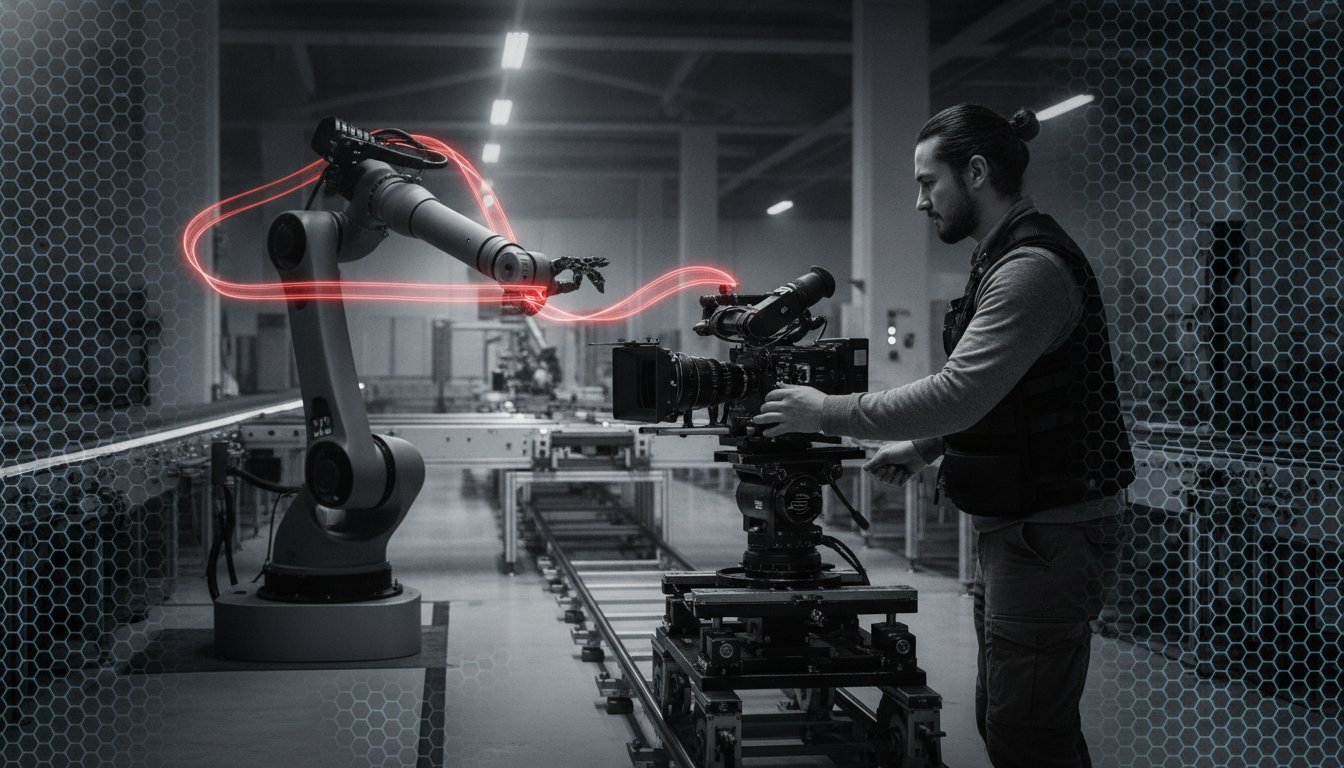
Research indicates that 96% of B2B marketers report a positive return on investment from video content, yet many manufacturers still struggle to translate their shop floor excellence into a persuasive digital format. While a physical site visit remains the gold standard for building trust, global logistics and tight schedules often make in-person tours impractical for international prospects. Understanding how to create an effective factory tour video allows you to bridge this gap, providing a strategic virtual site visit that demonstrates your operational rigor without the logistical overhead.
You likely recognize the difficulty of explaining intricate technical processes or the anxiety of accidentally exposing proprietary secrets on camera. It's a delicate balance to showcase your innovation while protecting your intellectual property. This guide will teach you how to transform your manufacturing facility into a powerful B2B marketing asset through strategic production techniques. We'll explore a methodical roadmap for capturing high-stakes environments, ensuring your content remains relevant as technologies evolve and serves as a versatile tool for both trade shows and complex sales pitches.
Key Takeaways
- Position your manufacturing facility as a strategic asset by using video to provide a high-stakes "virtual site visit" for international stakeholders.
- Discover how to create an effective factory tour video by integrating technical copywriting that emphasizes the specific processes differentiating your brand.
- Overcome the challenges of loud, vast industrial environments with specialized production techniques for professional lighting and audio clarity.
- Extend the lifecycle of your media assets by repurposing long-form tours into versatile content for social media and exhibition support.
- Identify the value of synthesizing PR strategy with technical production to ensure your video resonates with sophisticated B2B audiences.
Table of Contents
- The Strategic Role of Factory Tour Videos in B2B PR
- Planning the Narrative: Pre-Production for Technical Audiences
- Capturing the Industrial Environment: Production Best Practices
- Maximizing ROI: Distribution and Multi-Channel Integration
- Elevating Your Brand with Specialized Video Production
The Strategic Role of Factory Tour Videos in B2B PR
A sophisticated factory tour serves as much more than a visual walkthrough; it functions as a high-stakes virtual site visit that validates your operational excellence for a global audience. In an era where supply chain transparency is a non-negotiable requirement for international procurement, these videos provide the empirical evidence necessary to build stakeholder confidence. By moving away from superficial promotional fluff and toward evidence-based industrial storytelling, you transform your facility into a tangible proof point of brand reliability. Integrating this content into your broader strategic PR planning ensures that your technical capabilities are communicated with the same precision found on your production line.
This approach aligns with the professional standards of the industrial video, a genre dedicated to synthesizing complex manufacturing data into persuasive narratives. When you master how to create an effective factory tour video, you aren't just filming machinery; you're documenting the synthesis of engineering rigor and organizational stability. This level of transparency is essential for companies operating in high-stakes sectors where the cost of failure is significant and the need for reliable partnerships is paramount.
Accelerating the B2B Sales Cycle
International procurement often involves complex decision-making units that cannot always visit a facility in person. A strategic video overcomes these geographic barriers by demonstrating scale and capacity with absolute clarity. It allows potential partners to inspect your workflows, observe your quality control measures, and verify your technological investments from their own executive suites. Understanding how to create an effective factory tour video involves identifying the "hero" processes that differentiate your capability, effectively shortening the evaluation period and accelerating the transition from prospect to partner. This visual documentation acts as a persistent sales asset that reinforces your value proposition at every stage of the funnel.
Enhancing Corporate Reputation
Beyond immediate sales objectives, a transparent view of your operations serves a critical role in reputation management. It provides a platform to showcase ESG initiatives in action, such as waste reduction systems or energy-efficient machinery, which are increasingly vital to modern corporate identity. By visualizing safety standards and operational protocols, you mitigate perceived risks and project an image of methodical control. Furthermore, this level of facility transparency serves as a proactive tool for crisis communication. Having a documented, high-quality record of your standard operating procedures establishes a baseline of excellence that protects your brand's integrity during periods of heightened scrutiny or market volatility.
Planning the Narrative: Pre-Production for Technical Audiences
The success of an industrial video depends entirely on the preparation that occurs before a single frame is captured. When considering how to create an effective factory tour video, the pre-production phase serves as the critical blueprint for technical credibility. Mastering how to create an effective factory tour video requires a deliberate transition from seeing your facility as a workplace to viewing it as a strategic marketing asset. This stage is where you identify the "hero" processes that differentiate your manufacturing capability, whether that involves proprietary automation, extreme precision tolerances, or unique material handling. By mapping the viewer journey from raw material to finished precision product, you provide a logical narrative that resonates with the analytical minds of procurement officers and lead engineers.
A central pillar of this preparation is professional technical copywriting. Unlike general marketing scripts that rely on superlatives, technical scripts must prioritize accuracy and functional detail. This process involves synthesizing intricate engineering data into a persuasive professional story that balances granular execution with high-level strategic goals. It's about explaining the "why" behind your machinery, not just the "what." This methodical planning ensures that the complexity of your subject matter is handled with professional grace.
Scripting for Authority and Precision
To maintain authority, your script should favor industry-specific terminology over vague marketing jargon. Collaborating closely with Subject Matter Experts (SMEs) is essential to ensure that every technical claim is verifiable and reflects current operational realities. The resulting voiceover shouldn't simply describe what's visible on screen; instead, it should provide context, such as explaining the specific ISO standards being met or the efficiency gains achieved through a particular workflow. This linguistic precision serves to mirror the efficiency of your target audience, establishing immediate credibility within niche markets.
Storyboarding the Industrial Flow
Storyboarding allows you to visualize the logic of your production line, ensuring the sequence of shots mimics a professional inspection. This is the time to plan for specific "cutaway" shots that highlight your R&D labs or quality control stations, providing visual evidence of your innovation. Strategic framing is also vital here; you must plan shots that demonstrate your capacity while protecting proprietary technology from being fully reverse-engineered by competitors. If you're unsure how to balance transparency with security, seeking guidance on strategic PR planning can help define the boundaries of your visual narrative.
Capturing the Industrial Environment: Production Best Practices
Executing the production phase requires a transition from strategic planning to tactical precision. When you move onto the shop floor, the goal is to capture the reality of your operations without compromising the professional polish expected by executive stakeholders. Understanding how to create an effective factory tour video involves mastering the unique environmental challenges of industrial spaces, from managing vast lighting requirements to ensuring audio clarity amidst heavy machinery. Every shot must reinforce the narrative of reliability and technical rigor established in your pre-production blueprint.
Illuminating a large manufacturing facility is often the most significant technical hurdle. Natural light is rarely sufficient, and standard industrial lighting can create a clinical, unflattering look. Professional production teams utilize high-output LED arrays to ensure every corner of the facility is visible, as deep shadows can unintentionally suggest a lack of oversight or maintenance. Similarly, capturing high-quality audio in environments where noise levels frequently exceed 85 decibels requires specialized equipment. Using noise-canceling lapel microphones for interviews ensures that your subject's expertise isn't drowned out by the ambient hum of the production line.
Safety is a critical component of brand authority. Strict adherence to Personal Protective Equipment (PPE) protocols is mandatory for every person appearing on camera. A single oversight, such as a technician without safety glasses or a visitor walking outside of marked walkways, can trigger red flags for international buyers who prioritize risk mitigation. To demonstrate scale, the use of stabilized gimbals allows for smooth, sweeping movements through narrow production cells, while drones provide an expansive perspective of the entire facility footprint that ground-level filming simply cannot replicate.
Humanizing Technical Excellence
While the machinery is the focal point, the people operating it provide the necessary context of skilled expertise. Selecting articulate staff members for brief on-camera segments helps demonstrate the sophisticated human-machine interface that drives your facility. Capturing candid moments of quality checks or collaborative problem-solving sessions builds trust. It shows that behind the automation is a team of specialists dedicated to maintaining the highest standards of precision, making the technology feel accessible and reliable.
The 'Clean Room' Aesthetic
A well-organized facility floor acts as a visual proxy for operational quality. Preparing for filming shouldn't require halting production; instead, it involves a "lean" approach to workstation organization and ensuring that all tools are in their designated places. Managing reflections on metallic or technical surfaces is also vital. Strategic camera angles and polarizing filters help minimize glare on stainless steel components, ensuring that the viewer's focus remains on the intricate details of your manufacturing process rather than distracting visual artifacts on the camera lens.
Maximizing ROI: Distribution and Multi-Channel Integration
Producing high-quality visual content represents a significant investment of time and capital, making it imperative to extract the maximum value from every frame. Once you've mastered how to create an effective factory tour video, the focus shifts toward strategic distribution across multiple professional touchpoints. A single long-form tour can be methodically disassembled into "snackable" segments, each highlighting a specific technical capability or safety protocol. These modular assets are ideal for maintaining a consistent presence on professional networks like LinkedIn, where technical audiences value granular insights over generic corporate updates.
This content is particularly impactful when integrated into your exhibition & event support strategy. Beyond the physical booth, embedding these videos into digital sales decks and procurement portals provides immediate visual validation during the high-stakes tender process. It allows potential partners to verify your capacity without the delays of international travel. High-quality industrial footage also serves as a critical asset for media relations. Trade journals are often more inclined to feature your brand if you provide professional-grade B-roll to accompany their editorial coverage, effectively securing earned media placements that build long-term authority and trust within your specific industrial niche.
Trade Show and Event Synergy
During international trade shows, silent, high-definition video loops act as a powerful visual magnet, drawing foot traffic to your stand by showcasing the scale of your operations without requiring a single word. You can further enhance this engagement by integrating QR codes into physical displays, leading visitors directly to immersive 360-degree tours or specific process deep-dives. Providing these assets in press kits ensures that journalists have the necessary visual evidence to support their stories, reinforcing your position as a thought leader in your sector while maximizing the impact of your event presence.
SEO and Digital Visibility
Digital visibility is equally critical for long-term ROI. When analyzing how to create an effective factory tour video for search engines, remember that the technical metadata is as important as the visual content itself. Optimizing video descriptions with precise industrial search queries ensures that your content reaches procurement officers at the exact moment they're researching solutions. Full transcripts not only improve accessibility but also boost technical keyword density, aiding your broader SEO efforts. By tracking engagement metrics, such as average watch time and drop-off points, you can refine your future technical content strategy to better serve your audience's needs. This data-driven approach ensures that your media assets continue to deliver value long after the initial shoot. If you're ready to amplify your industrial story, consider how strategic video production and photography can transform your facility into a global marketing engine.
Elevating Your Brand with Specialized Video Production
Choosing the right production partner is the final, decisive step in your strategic roadmap. While many generalist agencies offer high-definition visuals, they often fail to grasp the technical nuance required for a B2B audience. A specialist understands that a robotic arm isn't just a piece of moving machinery; it's a representation of your investment in Industry 4.0 and precision engineering. By synthesizing high-level PR strategy with technical production, we ensure your visual assets do more than just look professional. They actively communicate your competitive advantage to a sophisticated global market.
Maintaining global consistency is another critical challenge for international manufacturers. When you operate across multiple sites, your brand messaging must remain stable and authoritative regardless of the location. This requires a methodical approach to production that future-proofs your content for the 2026 industrial landscape. With the rise of AI-assisted production and the evolution of smart factories, your video assets must reflect a forward-thinking organization that stays ahead of technological shifts. Mastering how to create an effective factory tour video means building a visual legacy that remains relevant through multiple sales cycles.
The Specialist Advantage
Partnering with an agency that understands the complexities of engineering and technology removes the technical burden from your internal marketing team. You don't need to spend hours explaining the significance of a specific tolerance or a proprietary alloy; a specialist already speaks that language. This alignment ensures that every frame supports your broader thought leadership goals, positioning your executives as experts and your facility as a center of excellence. This precision allows your team to focus on core operations while we handle the intricate synthesis of technical data into a persuasive professional story.
Next Steps for Your Industrial Narrative
The first step toward a high-impact visual asset is conducting a comprehensive facility audit for "film-readiness." This involves identifying the specific workflows that best demonstrate your capacity and ensuring they're optimized for the camera's lens. You must also define a primary KPI for your project, whether it's increasing trust with international procurement teams or providing versatile content for trade show displays. If you're looking for a partner who understands how to create an effective factory tour video that delivers measurable results, contact BCM for a strategic video production consultation. Our team will help you navigate the complexities of industrial storytelling, ensuring your facility is projected as a world-class leader in your sector.
Transforming Your Facility into a Global Growth Engine
Transitioning from a mere physical facility to a strategic marketing asset requires a methodical synthesis of technical precision and professional storytelling. By mastering how to create an effective factory tour video, you provide international buyers with the transparent, evidence-based validation they need to secure high-stakes partnerships. This process moves beyond simple filming; it demands rigorous pre-production planning and a deep understanding of the human-machine interface that defines your operational excellence.
Success in this specialized niche requires a partner who speaks the language of industry. Since 1987, BCM has acted as a specialist B2B agency with deep expertise in the manufacturing and engineering sectors. We offer the global reach and technical rigor necessary to elevate your brand for international industrial leaders. Partner with BCM for Strategic Video Production and B2B PR to ensure your facility's story is told with the authority it deserves. Let's transform your operational strengths into a persistent competitive advantage.
Frequently Asked Questions
How long should an effective B2B factory tour video be?
For B2B audiences, the optimal length for high engagement is between 30 seconds and 2 minutes. While detailed product demos can perform well in the 2 to 5-minute range, a general factory tour should remain concise to respect the time of executive decision-makers. If you're wondering how to create an effective factory tour video that maintains high retention, focus on a modular structure where viewers can easily opt into deeper technical segments later.
Do we need to stop production to film a factory tour?
Halting production is rarely necessary and can actually detract from the authenticity of the virtual site visit. Filming during active operations demonstrates your facility's real-world capacity and efficiency to potential partners. A strategic production team will work around your existing shifts, using a methodical approach to workstation organization to ensure the environment looks professional without disrupting your output or delivery schedules.
How do we protect proprietary technology in a video tour?
Protecting intellectual property is achieved through strategic framing and the use of a shallow depth of field to obscure sensitive background details. During the initial facility audit, we identify specific zones or machinery that must remain off-camera. Post-production techniques, such as selective blurring or the use of graphical overlays, can further shield proprietary components while still allowing you to showcase the overall scale of your manufacturing capability.
Should we use a professional voiceover or our own staff?
A sophisticated blend often yields the best results for technical audiences. A professional voiceover provides the rhythmic authority and clarity needed for the main narrative, while brief on-camera segments with your Subject Matter Experts add a layer of human-machine interface trust. This combination ensures the video feels both polished and grounded in real-world engineering expertise, avoiding the superficial tone often associated with general marketing agencies.
What is the average cost of an industrial video production?
Industrial video costs fluctuate based on complexity and scale, with professional corporate productions typically ranging from $1,500 to over $50000. A standard 2-minute professional video often falls between $2,000 and $20,000. These figures reflect the requirement for specialized equipment, such as high-output LED arrays and stabilized gimbals, which are necessary to capture high-stakes manufacturing environments with the precision that international buyers expect.
How often should we update our factory tour video?
You should review your factory tour video every 2 to 3 years or immediately following significant technological upgrades, such as the adoption of new robotics or AI-powered quality control. To prevent the content from looking dated, focus on capturing evergreen processes and modular segments. This approach allows you to update specific technical sections without requiring a full re-shoot of the entire facility, ensuring you know how to create an effective factory tour video that lasts.
Can a factory tour video help with recruitment for engineering roles?
Yes, a high-quality tour acts as a powerful recruitment tool by visualizing your technical rigor and advanced technology stack for prospective engineers. It provides a window into your operational culture and safety standards, which are critical factors for specialized talent in the industrial sector. Demonstrating a clean, modern, and data-rich environment helps attract candidates who are eager to work at the forefront of Industry 4.0 and smart manufacturing.
How do I ensure my factory tour video looks professional on a trade show screen?
Ensuring a professional appearance on large-format trade show screens requires filming in 4K resolution and exporting at a high bit rate to avoid compression artifacts. The edit should be optimized for silent viewing, utilizing bold text overlays and clear, high-contrast visuals that grab attention in a busy exhibition hall. This ensures your facility's scale and precision are communicated effectively even without the benefit of the supporting audio narrative.