
Crisis Communications for Manufacturing Companies: A Strategic Framework
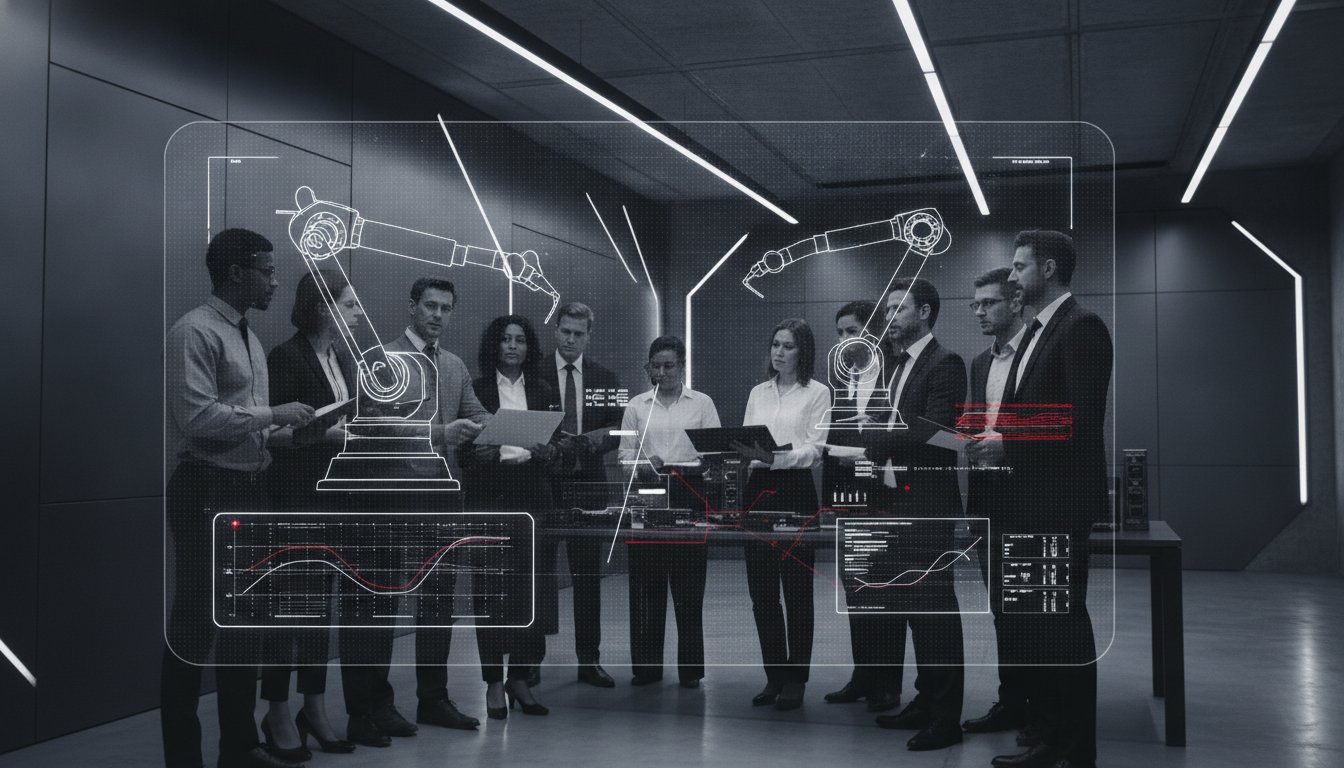
Did you know that 71 per cent of factory workers have experienced production or safety issues, including significant delays and quality failures, as a direct result of miscommunication from leadership? Whilst the window for an effective response has contracted to a mere fifteen minutes in our digitally accelerated landscape, the necessity for robust crisis communications for manufacturing companies remains a cornerstone of industrial stability. We understand that explaining a complex technical failure to a non-technical audience requires a refined craft that balances engineering precision with corporate transparency.
You likely recognise that a single site incident or product recall can trigger a supply chain contagion, threatening the long-term trust of your global B2B partners. This article promises to equip you with a strategic framework to master these complexities, ensuring your reputation remains resilient under pressure. We will explore the development of a proactive crisis manual, the implementation of clear media protocols, and the methodical steps required to maintain stakeholder confidence throughout any operational disruption.
Key Takeaways
- Distinguish between operational logistics and reputational management to ensure a holistic response that protects long-term B2B relationships.
- Establish a structured Crisis Management Team and a designated spokesperson to eliminate hesitation and ensure a unified, authoritative voice during disruptions.
- Develop a "Technical Narrative" that respects intricate engineering facts whilst maintaining transparency and clarity for non-technical stakeholders.
- Master the nuances of crisis communications for manufacturing companies to effectively manage high-pressure enquiries from both national media and specialised trade journals.
- Transition from reactive mitigation to long-term brand rehabilitation by utilising strategic thought leadership to demonstrate documented lessons learned.
Table of Contents
- What is Crisis Communications for Manufacturing Companies?
- Building a Robust Industrial Crisis Communication Strategy
- Synthesising the Technical Narrative: Precision Meets Transparency
- Managing Media and Trade Journals During an Incident
- Post-Crisis Recovery: Rehabilitating the Industrial Brand
What is Crisis Communications for Manufacturing Companies?
At its core, crisis communications for manufacturing companies is the strategic management of information during industrial disruptions. Whilst Crisis management typically focuses on the immediate operational response, such as containing a chemical leak or repairing a production line, communications management addresses the narrative surrounding the event. It's the difference between fixing a mechanical failure and ensuring that failure doesn't permanently erode the trust of your global client base. Industrial leaders must project a calm, capable presence in a demanding international landscape, ensuring that technical rigour is mirrored by professional transparency.
Manufacturing firms face a unique set of vulnerabilities that differ significantly from consumer sectors. A product defect isn't merely a customer service issue; it's a potential supply chain contagion that can halt the operations of dozens of B2B partners. Whether it's an environmental incident or a sudden regulatory breach, the technical complexity of these events often makes them difficult to explain to non-specialist media. Without a robust strategy, the vacuum created by silence is quickly filled by speculation. This can be devastating for a brand's long-term health and its standing amongst industry peers.
The High Stakes of Industrial Reputation
In the B2B sector, reputation is a tangible asset directly linked to commercial viability. Long-term contracts, often worth millions, depend on the perception of reliability and safety. If industry analysts or stakeholders perceive a lack of control during a crisis, it can lead to a sharp decline in market valuation and a loss of competitive advantage. In our digital age, what was once an internal site issue can become a global narrative within minutes. This shift requires a sophisticated approach to crisis communications for manufacturing companies that prioritises professional relationships and long-term value over short-term damage control.
Common Crisis Scenarios in Manufacturing
Identifying potential threats before they manifest is essential for any manufacturing or engineering firm. Common scenarios that require immediate, strategic communication include:
- Health and safety incidents: Workplace injuries or fatalities that require sensitive handling to support affected families and inform the workforce.
- Product liability and recalls: Large-scale defects that threaten the integrity of a client's final product or end-user safety.
- Regulatory non-compliance: Failure to meet evolving standards, such as the 2026 updates to hazard communication requirements, which can trigger investigations and intense legal scrutiny.
- Environmental breaches: Accidental discharges or emissions that attract scrutiny from local communities and international regulators.
Building a Robust Industrial Crisis Communication Strategy
Success in crisis communications for manufacturing companies isn't found in a reactive scramble; it's forged in the quiet periods of steady operation. A proactive crisis manual serves as the operational blueprint, providing clear protocols that bypass the hesitation often found in high-pressure environments. Unlike generic PR templates, a specialised industrial manual accounts for the technical nuances of production cycles and the specific legal frameworks governing the engineering sector. It's this level of methodical planning that distinguishes a resilient brand from one that falters under scrutiny.
A central pillar of this strategy is the formation of a Crisis Management Team (CMT). This group must include a designated spokesperson who can project authority whilst remaining accessible. We frequently observe that "off-the-shelf" plans fail because they don't account for the human element of strategic messaging or the specific needs of a technical audience. Before an incident occurs, conducting a vulnerability audit is essential. By identifying reputational "weak points", from ageing infrastructure to complex supply chain dependencies, you can develop specific response protocols long before they're needed. If you're looking to strengthen your internal readiness, you might consider how a bespoke strategy audit could identify these hidden risks.
Stakeholder Mapping for B2B Manufacturers
Effective crisis communications for manufacturing companies requires precise stakeholder mapping that goes beyond simple press releases. In the B2B world, your priority must be the preservation of professional relationships. This involves tiered communication strategies for employees, investors, and key industrial clients who rely on your output. Consistency is paramount, especially when managing information across global offices and manufacturing hubs. Regulatory bodies and local authorities also require technical data delivered with speed and accuracy to prevent unnecessary escalations.
The Role of Media Training for Technical Leaders
Subject matter experts are often the most knowledgeable individuals in the room, yet they may struggle with the combative nature of high-stakes media interactions. They can inadvertently default to technical jargon that alienates the general public or provide "no comment" answers that suggest a lack of transparency. Media training is vital for technical leaders, teaching them to synthesise complex data into clear, persuasive professional stories. Preparing executives for the scrutiny of investigative journalists ensures they can handle difficult questions about ROI and market positioning with strategic confidence.
Synthesising the Technical Narrative: Precision Meets Transparency
In the high-pressure environment of an industrial incident, the instinct to retreat behind a "no comment" statement is often strong, particularly whilst technical investigations are still in their infancy. However, silence is rarely interpreted as neutrality; in the eyes of the public and your B2B partners, it's frequently viewed as an admission of negligence or a lack of control. Effective crisis communications for manufacturing companies requires the development of a "Technical Narrative"; this is a communication strategy that respects engineering facts whilst providing the transparency that modern markets demand. This approach avoids the pitfalls of over-simplification, ensuring that the narrative remains grounded in the same technical rigour that defines your operations.
The challenge lies in balancing legal defence with public transparency. Research indicates that 89 per cent of people believe a business can regain their trust if it admits a mistake and remains transparent about the resolution. By providing a clear, evidence-based account of what is known, and being honest about what is currently under investigation, you maintain the initiative. This prevents speculative narratives from taking root amongst industry analysts and trade journalists who possess the expertise to spot inconsistencies in a superficial PR response.
Translating Engineering Concepts for the Public
Translating intricate industrial processes for a non-expert audience is a refined craft that requires both technical understanding and linguistic precision. Using analogies can be a powerful tool to explain complex failures without sacrificing accuracy, allowing stakeholders to grasp the "why" behind an incident without getting lost in the "how" of the mechanics. The Technical Narrative acts as a vital bridge between the intricate realities of the factory floor and the strategic requirements of the boardroom. By distilling data into persuasive professional stories, you ensure that your message resonates with both the engineering community and executive decision-makers.
Maintaining Credibility Through Technical Rigour
Technical accuracy is the ultimate shield against long-term reputational damage. When a manufacturing firm operates as a Strategic Specialist, it works in lockstep with its internal engineering teams to validate every public statement in real-time. This collaboration ensures that PR efforts don't outpace the facts, which is essential for maintaining credibility with regulatory bodies and sophisticated B2B clients. By taking responsibility through data and demonstrating a methodical approach to resolution, the company reinforces its image as a reliable partner, even in the midst of a disruption. This commitment to rigour transforms a potential liability into a demonstration of professional integrity and operational excellence.
Managing Media and Trade Journals During an Incident
The first 24 hours of an industrial incident are often the most volatile. Whilst the traditional "golden hour" was once the benchmark for response, the speed of social media and AI-driven news cycles has compressed this window into a "golden moment" of just 15 to 30 minutes. Within this timeframe, crisis communications for manufacturing companies must move from internal verification to external management. A failure to provide an authoritative account during this period allows speculative narratives to take root, potentially causing more damage than the incident itself. Handling press enquiries requires a disciplined, tiered approach:
- Initial Triage: Log all incoming calls and emails, categorising them by outlet type and deadline urgency.
- Internal Alignment: Ensure the Crisis Management Team (CMT) and legal counsel have approved the core facts of the Technical Narrative discussed previously.
- Holding Statement: Issue a concise statement that acknowledges the situation, outlines immediate safety actions, and promises further technical updates.
- Strategic Outreach: Prioritise briefings for key B2B partners and specialised trade journals over general national news.
In the manufacturing and engineering sectors, trade journals play a unique role. Unlike national tabloids looking for a sensationalist angle, trade editors seek technical depth and long-term implications. Maintaining "earned media" during a negative cycle is vital; it provides a platform to demonstrate your company's expertise and commitment to resolution. By engaging with these specialised outlets, you ensure that the professionals who influence your market receive an accurate, detailed account of your corrective actions.
Engaging with the Industrial Press
Success with the industrial press depends on relationships built long before a crisis occurs. Journalists at technical publications value transparency and access to subject matter experts. When an incident hits, you can leverage these existing professional bonds to pitch "corrective" stories that focus on the sophisticated engineering solutions you're implementing. This ensures that the narrative shifts from the failure itself to your firm's capability as a Strategic Specialist. If you need to refine your approach to media interactions, you can contact our specialist team for a consultation.
Monitoring and Responding to Digital Sentiment
Managing social media "noise" is about precision, not volume. Use social listening tools to track the spread of the narrative and identify where misinformation is gaining traction. It's often more effective to engage directly with key stakeholders through private channels than to engage in public debates that may escalate the crisis. Ensure your digital marketing and SEO efforts reflect your current posture; your corporate website should act as the single source of truth, housing safety data sheets and formal updates to maintain a steady, confident pace throughout the narrative flow.
Post-Crisis Recovery: Rehabilitating the Industrial Brand
Once the immediate operational threat is contained and the technical narrative has been established, the focus of crisis communications for manufacturing companies must shift towards long-term brand rehabilitation. This transition marks the move from reactive defence to proactive leadership. In the B2B sector, where professional relationships are built on years of stable performance, regaining trust requires more than a simple apology. It demands a visible commitment to operational and cultural evolution. By positioning the crisis as a catalyst for improvement, you can transform a period of vulnerability into a demonstration of resilience and technical integrity.
Strategic thought leadership plays a critical role in this phase. It provides a platform to share "lessons learned" through a lens of expertise, ensuring that your industrial partners see a company that is not only back in control but is now leading the way in safety or technical standards. This methodical approach to content creation helps re-establish authority in niche markets, proving that your firm possesses the intellectual curiosity and professional grace to handle complex challenges. It's about moving beyond the incident to define the future of the sector.
Leveraging Thought Leadership for Brand Recovery
Rebuilding authority requires a structured roadmap of technical communication. Publishing comprehensive whitepapers on new safety protocols or technical innovations developed post-incident serves as a tangible proof point of your company's progress. Securing speaking slots at major industrial exhibitions allows your leadership team to showcase this resilience in person, addressing the market with strategic confidence. High-quality technical copywriting ensures that these messages are polished and persuasive, re-establishing your brand as a market leader that values precision over hype.
Measuring the Success of Crisis Mitigation
A truly robust framework for crisis communications for manufacturing companies includes a rigorous post-incident evaluation. This involves analysing media sentiment and stakeholder feedback to determine how effectively the narrative was managed across different regions. Evaluating the ROI of your communication strategy helps justify the investment in proactive planning and identifies which protocols delivered the most value. Finally, your crisis manual must be updated with real-world performance data, ensuring that your organisation is even better prepared for future disruptions. This cycle of continuous improvement reflects the efficiency of a Strategic Specialist, turning the complexities of a crisis into a foundation for long-term stability and business growth.
Securing Your Industrial Legacy through Strategic Resilience
Mastering crisis communications for manufacturing companies requires a deliberate shift from frantic reaction to methodical execution. By prioritising a "Technical Narrative" that respects engineering precision whilst maintaining corporate transparency, you protect the high-stakes B2B relationships that sustain your business growth. A robust, proactive framework ensures that when disruptions occur, your response is defined by strategic confidence rather than operational hesitation. We've explored how stakeholder mapping and technical media training act as vital shields, whilst post-crisis thought leadership paves the way for long-term brand rehabilitation.
For more than 40 years, BCM has acted as a Strategic Specialist for the industrial and engineering sectors. Our London-based expertise offers a global reach and a proven track record in technical media relations, ensuring that your narrative remains authoritative in a demanding international landscape. Secure your reputation with BCM’s strategic crisis communications expertise. With the right strategic partner and a clear roadmap in place, you can navigate even the most complex disruptions with professional grace and emerge as a more resilient market leader.
Frequently Asked Questions
What is the first thing a manufacturing company should do during a crisis?
Activate your Crisis Management Team (CMT) and verify the technical facts immediately before issuing any public statements. You must establish an internal "single source of truth" to prevent the spread of misinformation amongst your workforce and B2B partners. This initial verification ensures that your subsequent communications are grounded in engineering reality, protecting your long-term credibility from the very first moment of disruption.
How does B2B crisis communication differ from B2C PR?
B2B crisis communication prioritises technical transparency and the preservation of long-term professional relationships over broad emotional appeals. Whilst B2C PR often focuses on mass-market sentiment, industrial communications must address the logical concerns of the supply chain, contractual obligations, and industry analysts. The goal is to provide sophisticated stakeholders with the precise data they need to maintain confidence in your operational stability.
Should we use our internal marketing team or a specialist crisis PR agency?
A specialist agency is recommended for high-stakes incidents because they possess the technical rigour to synthesise complex data into persuasive professional stories. Internal teams often lack the objective distance or the specific experience in crisis communications for manufacturing companies required to handle investigative media. Specialist consultants act as a steady hand, offering a worldly perspective on managing reputational risk in complex international markets.
How can we explain a technical product failure to the general public?
Utilise the "Technical Narrative" approach to translate intricate engineering concepts into clear, relatable analogies without sacrificing accuracy. Distilling complex data into a structured story allows non-expert audiences to grasp the nature of the failure and the logic behind your resolution. This bridge between the factory floor and the boardroom ensures transparency whilst maintaining your image as a capable, Strategic Specialist.
What role does social media play in an industrial crisis?
Social media acts as an essential early-warning system and a tool for monitoring digital sentiment in real-time. In the manufacturing sector, it's rarely the primary channel for resolution, but it's often where speculative narratives and misinformation begin. By using social listening, you can track the spread of a narrative and decide exactly when a formal statement is necessary to prevent supply chain contagion.
How do we rebuild trust with our B2B clients after a major incident?
Rebuild trust through a sustained programme of technical thought leadership and transparent reporting on your "lessons learned." Demonstrating that you've implemented new safety standards or technical innovations proves your commitment to operational excellence. Providing B2B partners with documented evidence of your cultural and technical evolution reinforces your reliability as a long-term partner who takes responsibility through data.
Is media training necessary for our engineering leads?
Yes, media training is vital for technical executives who may be required to act as spokespeople during a site incident or product recall. Engineering leads often possess deep subject matter expertise but can struggle to communicate clearly under the pressure of investigative journalism. Training helps them avoid technical jargon and "no comment" traps, ensuring they can project authority in any international setting.
How long does reputation recovery typically take in the manufacturing sector?
Reputation recovery is a methodical process that typically spans several years of consistent performance and proactive communication. Whilst an immediate incident may be contained within weeks, the full rehabilitation of an industrial brand requires a strategic roadmap of stakeholder engagement. Success in crisis communications for manufacturing companies is ultimately measured by the restoration of market valuation and the renewal of major industrial contracts.