
Automation runs the world, but quietly
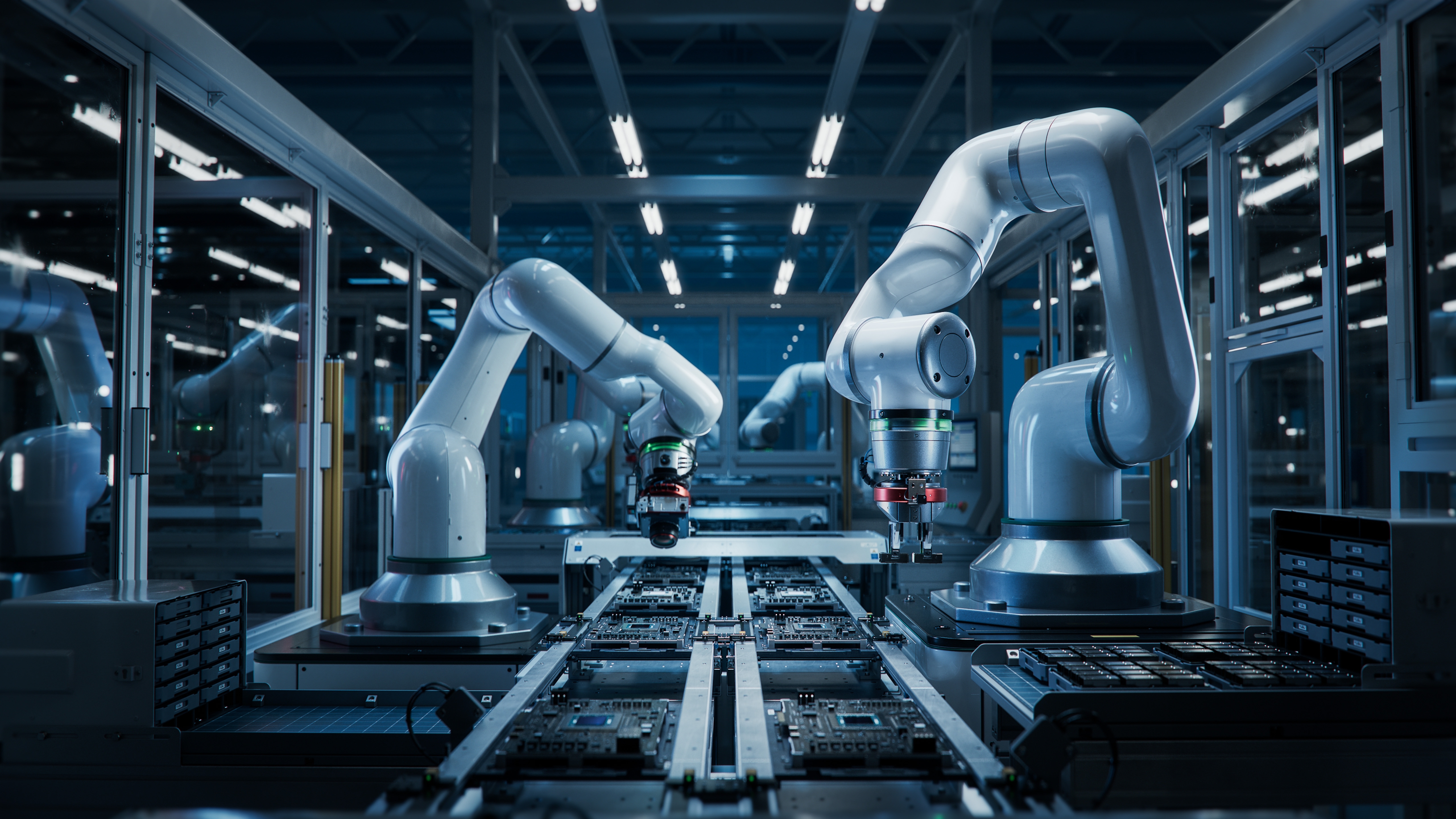
If we think about the last time a manufacturer made headlines, it was likely because something went wrong and not because something worked exactly as it should. Automation is a good example of that. It usually only enters the conversation when there is a failure, a cyber issue, or a disruption. The rest of the time, it keeps modern industry moving almost invisibly.
And yet, it’s everywhere. The pharmaceutical batch produced without error. The water treatment plant adjusting chemical levels in real time. The factory floor that reconfigures itself overnight to keep production on track. None of this happens by chance. Automation professionals make it possible, but the world just never hears about it.
There’s even a day dedicated to this. The International Society of Automation (ISA) marks International Automation Professionals Day every year on 28 April, and 2026 will be its fifth edition. It is a growing initiative, but the fact that the industry felt the need to create a dedicated day to make itself visible says something in itself.
This isn’t just how the industry works, it’s a communications problem.
What we have learned working with automation clients
Over the years, working with industrial and software automation clients over the years, a few patterns have surfaced again and again:
Engineers make products, not stories. Explaining why those solutions matter often comes later. So, messaging often leads with technical architecture, features, and specifications when the real story is what actually changed. Outside the engineering team, the meaning often gets buried in the detail.
Jargon replaces clarity. Automation is full of acronyms and technical language that means very little to anyone outside the industry. The shift from features to outcomes is a constant PR challenge. Not "our PLC integrates seamlessly across OT environments" but "this helped a factory cut unplanned downtime by 40%." That’s what people remember.
The belief that PR is a consumer brand tool. There is also still a lingering belief amongst many B2B automation companies that visibility is mainly for consumer brands. But in reality, long sales cycles are high value decisions that make visibility even more important. Buyers don’t just appear at the RFP stage, they have often been forming opinions for months. Trade media coverage, executive thought leadership, and industry award programmes all help shape familiarity and credibility over time. The recent survey clarifies that Brand awareness is now the top PR priority across B2B industries in 2026.
Inconsistent visibility in a long sales cycle. Automation deals take months, even years. But the challenge is that the companies do not always stay visible long enough for long-term PR efforts to make an impact. PR cannot just be a push around a product launch, it needs to be consistent. Otherwise, you disappear just when potential buyers are paying attention.
Customer success stories are the hardest to unlock. Case studies are often the most powerful PR asset an automation company can have but getting them approved is notoriously slow. Legal, NDAs, and cautious customers can slow things down to a crawl. As a result, some of the best stories never get told and figuring out how to tell them is where much of the work lies.
The gap is closable.
Not one of these challenges are unique to automation, but it tends to show up more here than in most B2B sectors. The good news is they are all fixable. Clearer narratives, steadier visibility, stronger spokesperson support, and more creative ways to bring customer stories, that’s what strategic PR is built for.
As 73% of manufacturers plan to increase automation investment over the next three years, the companies that communicate clearly will stand out. The industry that keeps everything running should not have to stay invisible.