
When the Strait Tightens, Factories Must Choose.
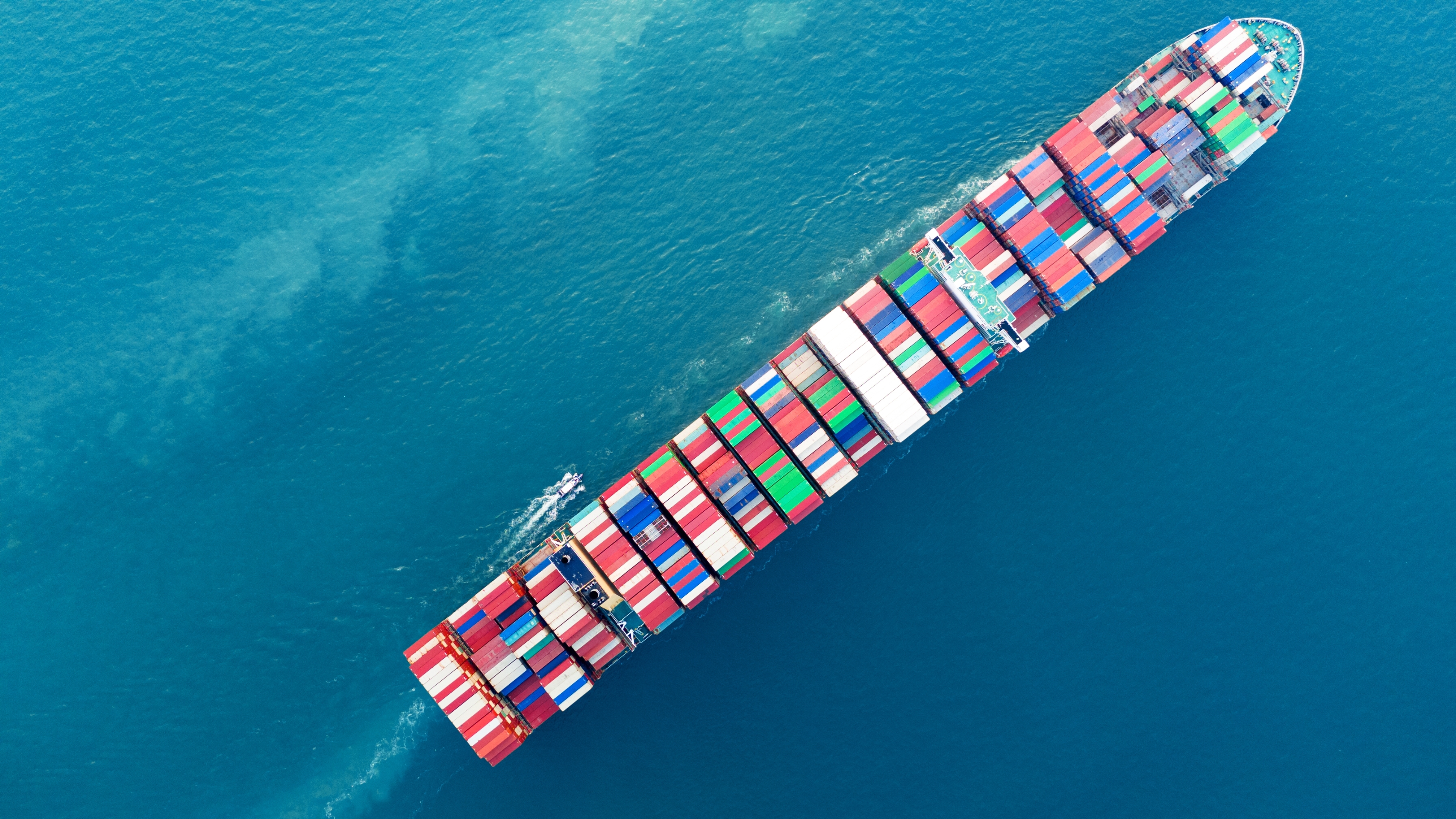
Blockades don't stay at sea.
When Britain strangled Germany's supply lines in the First World War, the consequences didn't stop at the harbour. They moved inland, into factories, food chains, and political will. The water's edge was just the beginning.
That lesson has never felt closer than now. The Strait of Hormuz carries roughly 20% of the world's seaborne oil trade. Close it, and the shockwave doesn't pause for borders. Energy prices climb. Freight becomes unpredictable. Metals, chemicals, plastics, the raw material of modern manufacturing, rise in sympathy. And capital, always the most cautious animal in the room, looks for the exit.
The automation pipeline feels this first.
The filter tightens
Manufacturers were already nervous before any Hormuz scenario. Research from Roland Berger and the Manufacturers Alliance found 94% of executives said tariff uncertainty was delaying investment decisions. Ninety percent said geopolitical risk was stalling strategic development.
A Gulf disruption wouldn't create a new problem. It would deepen an existing wound.
But here's what the data actually shows: fewer than 3% of manufacturers paused or cancelled major initiatives outright. The destination didn't change. The filter did.
Large transformation programmes with long payback horizons are queuing: greenfield robotic lines, multi-site smart factory programmes, IT/OT integrations built for a future that suddenly feels less certain. Rockwell Automation flagged exactly this in Q3 2025: customers delaying larger capital projects, automotive clients holding back, investment decisions stretching out. Siemens said the same.
But automation that cuts energy waste, reduces downtime, protects against labour gaps, delivers measurable returns in months, not years? That's not stalling. That's accelerating.
This is the split that defines the next twelve months of industrial investment.
Resilience automation vs. transformation automation
The distinction sounds technical. It isn't.
Transformation automation is expansionary: built for growth, for future capacity, for a version of the business that doesn't exist yet. It needs stable conditions, long time horizons, and confident demand signals. In a crisis, it waits.
Resilience automation is protective: built to reduce waste, cut exposure, harden operations against exactly the kind of volatility a Hormuz disruption creates. In a crisis, it becomes urgent.
Manufacturers who understand this distinction will make better investment decisions. They'll know which projects to defend in the budget conversation and which to defer without apology. They'll stop treating all automation as a single line item and start treating it as a portfolio - some holdings safe, some speculative, all worth knowing apart.
And then comes the communications problem
Here's where it gets harder.
The investment decision is difficult enough. But the moment you make it - accelerate this, pause that, defer the other - you have to explain it. To investors. To employees. To customers who are watching how you respond to pressure.
Say "we've paused automation," and you alarm the room. Say "nothing has changed," and you sound like you haven't read a newspaper. The truth, and the strategically smarter story, lives between those two:
We are not stepping back from automation. We are prioritising the automation that protects resilience, productivity, and cash flow.
That reframe matters enormously. It turns automation from a growth story into a protection story. And in a crisis, protection is what every stakeholder wants to hear about.
The companies that come through this moment best won't just make the right investment decisions. They'll have the clearest language for why, specific, confident, neither panicked nor dismissive.
The Strait may or may not close. The pressure is already there. The question isn't whether your factories can handle it. It's whether your story can.