
The Trade Show Starts Before You Enter the Hall
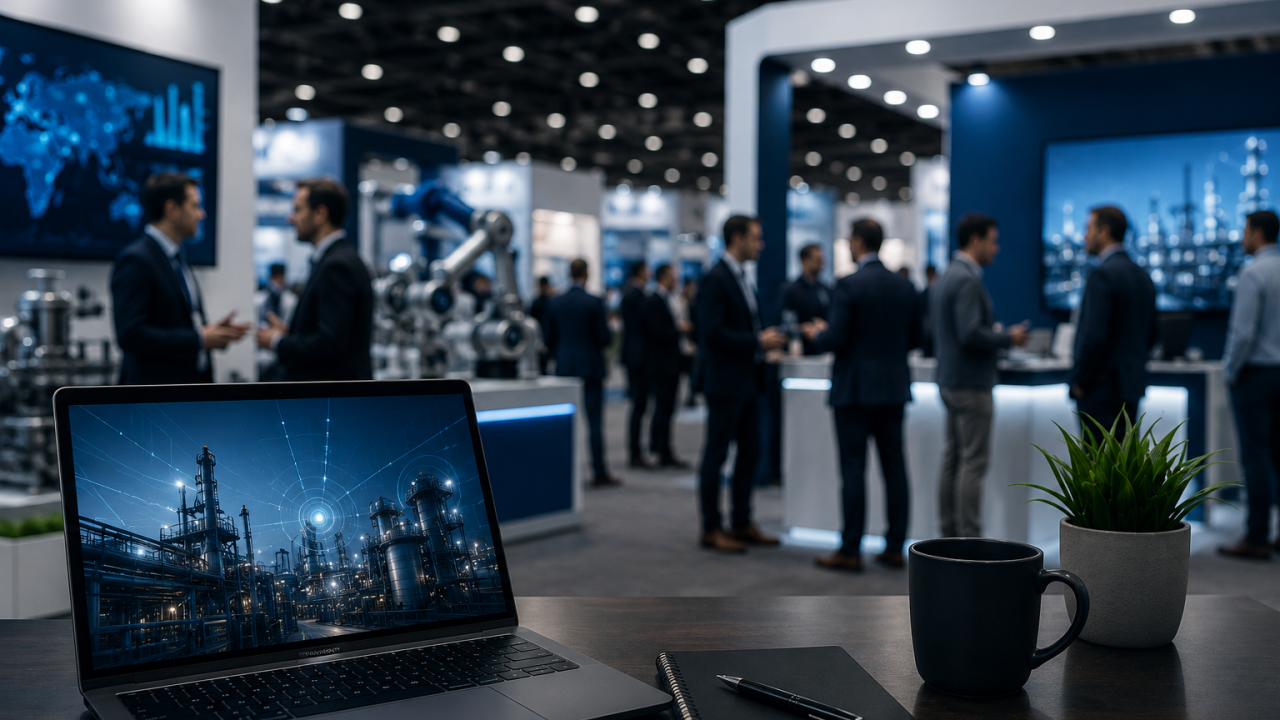
There was a time when trade shows were all about what happened on the stand. You invested in the exhibition space, built the messaging, booked the meetings, and relied on the event itself to create opportunities. The conversations that mattered happened face-to-face, often for the first time.
Today, that's rarely the case.
By the time many visitors arrive at an exhibition, they've already decided which suppliers they want to speak to, which technologies interest them, and which companies appear most credible. The trade show remains important, but increasingly it serves as a continuation of conversations that have already started elsewhere.
Forrester found that 92% of B2B buyers begin the purchasing process with a shortlist already in mind, a telling reflection of how modern buying decisions are increasingly shaped before the first meeting ever takes place.
For industrial firms, this shift has elevated digital presence from supporting activity to commercial necessity. Whether the discussion involves automation, energy, manufacturing, logistics, or process industries, trust is built over time. That's why companies seeing the strongest engagement at trade shows are often those that have been visible long before the event itself.
Not through constant self-promotion, but through useful contributions to industry discussions. This might be a senior leader sharing insights on supply chain challenges, an engineer discussing operational improvements, or a commercial director commenting on changing customer priorities.
The industrial firms gaining the greatest traction ahead of trade shows are seldom the loudest voices in the room. More often, they are the businesses maintaining a consistent presence online.
Industrial audiences have little appetite for inflated marketing language or self-important commentary. They respond instead to clarity, expertise, and evidence of genuine sector understanding. Research from McKinsey shows that B2B buyers now move across an average of ten interaction channels during the purchasing journey, reflecting how digital, remote, and in-person engagement increasingly work in tandem. Buyers rarely form an opinion based on a single article, post or announcement. Credibility is built through repeated exposure to relevant expertise over time.
For communications teams, this has changed the role of trade show PR. Increasingly, industrial brands are relying on PR to sustain executive profiling, thought leadership, LinkedIn engagement, and trade media presence long before major exhibitions begin. In today's B2B environment, the trade show is no longer the starting point. By the time visitors arrive, many of the important first impressions have already been made.
How do trade shows fit into a modern B2B marketing strategy?
Trade shows remain an important part of B2B marketing, but they are no longer standalone events. Successful companies integrate exhibitions with digital marketing, PR, content creation, thought leadership and social media activity to engage prospects before, during and after the event.
What is the relationship between PR and trade show marketing?
PR helps maximise the value of trade show participation by building visibility ahead of the event, securing media coverage, promoting key announcements and positioning company spokespeople as industry experts. This can help generate awareness and meetings before the exhibition even begins.
How can industrial brands increase visibility before industry events?
Industrial brands can increase visibility by publishing thought leadership articles, engaging on LinkedIn, securing trade media coverage, sharing customer success stories and participating in industry discussions. Consistent visibility helps build familiarity and trust with potential customers before an event.
Are trade shows still effective for B2B lead generation?
Yes. Trade shows continue to be valuable for lead generation, networking and relationship building. However, buyers are increasingly conducting research before attending events, making pre-show marketing and ongoing engagement critical to achieving the best results.
How can thought leadership influence purchasing decisions in manufacturing and industrial sectors?
Thought leadership helps companies demonstrate expertise, address industry challenges and provide valuable insights. By consistently sharing knowledge and practical experience, organisations can build credibility and become trusted partners, influencing purchasing decisions long before formal sales discussions begin.