
Using Photography to Showcase Engineering Projects: A Strategic B2B Guide
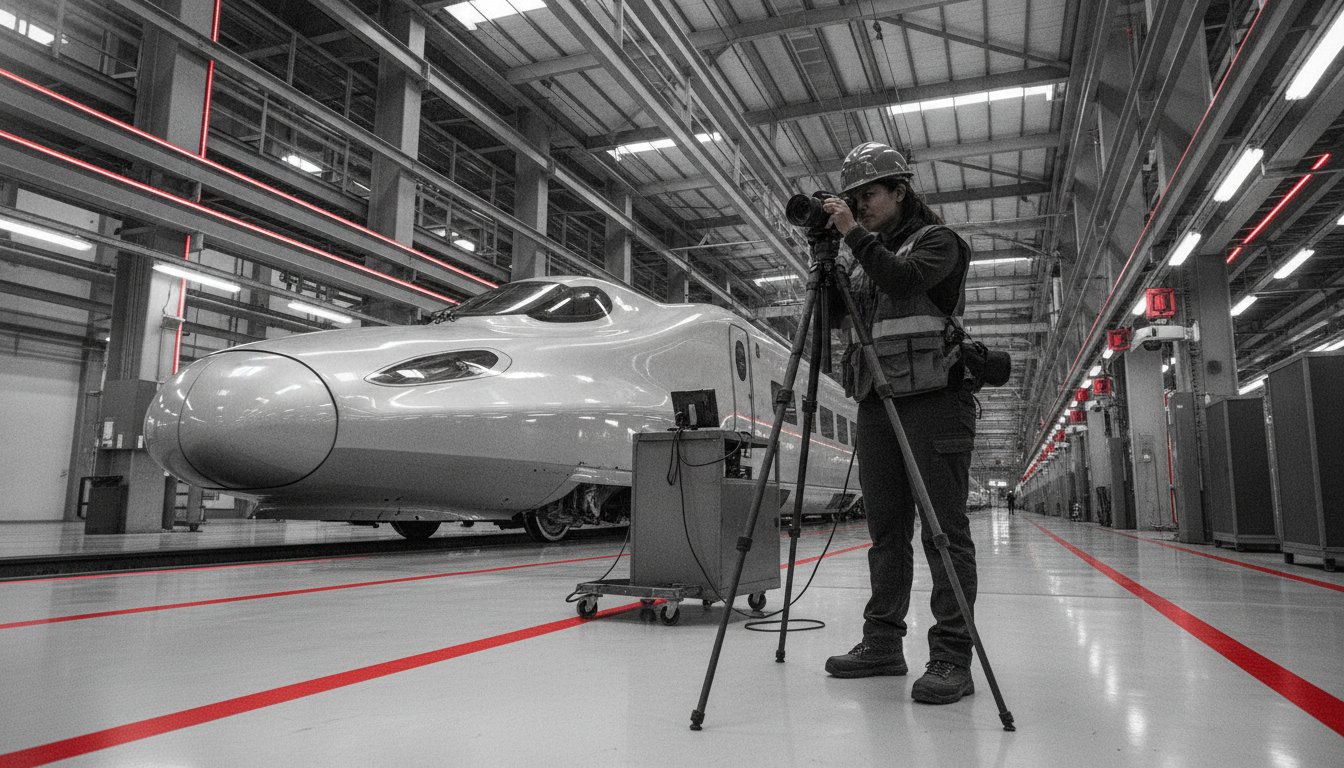
What if your firm's most significant technical innovation is being overlooked simply because it's visually inaccessible to your target market? In specialized industrial sectors, a groundbreaking achievement can quickly lose its competitive edge if it's documented with mediocre imagery that fails to reflect its true value. Mastering the strategic craft of using photography to showcase engineering projects is an essential requirement for firms operating in high-stakes global markets where technical precision is the primary currency.
We recognize that capturing the sheer scale or internal complexity of a build is a persistent challenge for marketing managers aiming for top-tier trade placement. You'll discover how to move beyond basic record-keeping to create compelling visual narratives that secure earned media coverage and build lasting industry authority. This guide provides a strategic roadmap for translating technical complexity into professional assets, covering essential photography categories, on-site logistics, and the integration of these visuals into your broader PR efforts.
Key Takeaways
- Transition from basic documentation to strategic visual storytelling to effectively bridge the gap between intricate technical data and market perception.
- Identify the three essential categories of industrial imagery, awareness, education, and conversion, to capture the critical and often overlooked phases of the engineering lifecycle.
- Master the technical requirements for using photography to showcase engineering projects in demanding environments, ensuring every asset is optimized for high-tier editorial placement.
- Implement a comprehensive manager’s checklist for on-site shoots that successfully balances aesthetic excellence with rigorous safety and PPE compliance.
- Leverage your library of professional visual assets to strengthen your strategic PR roadmap and drive better outcomes from exhibition and event support.
Table of Contents
- Beyond Documentation: Why Engineering Needs Strategic Visual Storytelling
- Essential Categories of Photography for Engineering Projects
- Bridging the Technical Gap: Translating Complexity into Media-Ready Visuals
- Executing a High-Stakes Industrial Photo Shoot: A Manager’s Checklist
- Integrating Visual Content into Your Strategic PR Roadmap
Beyond Documentation: Why Engineering Needs Strategic Visual Storytelling
Strategic industrial photography acts as a sophisticated bridge between technical data and market perception. It's no longer enough to simply document a project's completion. In high-stakes B2B sectors, a "Technical Gap" often obscures the true value of an innovation. This gap exists when complex engineering remains invisible to decision-makers who lack a deep technical background but hold the budget. Using photography to showcase engineering projects allows a firm to translate that complexity into a visual language of capability and precision. By July 2026, the standard for visual representation in the industrial sector has reached a peak where grainy, amateur shots are interpreted as a lack of operational discipline.
High-end imagery serves a functional purpose beyond aesthetics; it actively reduces the perceived risk for B2B buyers. When a global partner considers a multi-million dollar contract, they look for markers of stability and excellence. Professional visuals provide that evidence. They transform an abstract engineering concept into a tangible, reliable reality. This visual proof is essential for navigating long, complex sales cycles where multiple stakeholders must be convinced of a firm's technical rigor and project management maturity.
The Psychology of Visual Authority in B2B
Professional imagery signals more than just a finished project; it communicates a culture of operational excellence. A single, well-composed "hero image" establishes immediate credibility on digital platforms, stopping the scroll of a busy executive. It's a shift from merely taking pictures to crafting a narrative of problem-solving. This approach highlights the human ingenuity behind the steel and software. By focusing on the details that matter to partners, such as safety protocols and precision tolerances, you project a calm and capable presence in a demanding international market.
Photography as a Catalyst for Earned Media
Trade journal editors prioritize stories that come with a complete package of high-resolution, professional visual assets. Using photography to showcase engineering projects effectively makes your firm the easiest choice for an editorial feature. It's a strategic move that amplifies your PR efforts. Consider the following benefits of a visual-first approach to media relations:
- Editorial Priority: Editors are more likely to lead with a story that has a striking cover-quality image.
- Thought Leadership Support: Visual evidence validates the claims made in technical copywriting and whitepapers.
- Digital Shareability: Compelling images increase the likelihood of your technical content being shared across professional networks like LinkedIn.
When high-quality photography is integrated into your communication strategy, it transforms dense, technical data into a persuasive professional story. This synergy between visuals and technical detail is what defines modern industry authority.
Essential Categories of Photography for Engineering Projects
A strategic approach to industrial visuals requires a nuanced understanding of the sales funnel. We don't just capture images; we categorize assets by their utility: awareness, education, or conversion. Awareness shots emphasize scale and presence. Educational imagery focuses on the "how" of an innovation. Conversion-focused visuals provide the final proof of success. It's vital to capture the "invisible" phases of a project, such as sub-surface structural work or intricate internal assemblies, before they're sealed off. As highlighted in Engineering Photography Explained, these visuals are essential for articulating the design logic behind complex systems.
Successfully using photography to showcase engineering projects involves a balance of macro, micro, and wide-angle perspectives. This multi-layered approach ensures that both the massive scale of an installation and the minute precision of its components are documented. It's about building a library that serves every marketing need, from social media teasers to technical whitepapers.
Progressive Documentation vs. Final Project Showcases
Progressive photography tracks a project’s evolution from groundbreaking to final commissioning. This isn't just for internal records. It’s a powerful tool for long-term stakeholder engagement. While the "unveiling" moment of a completed installation provides the hero asset for media placement, time-lapse sequences demonstrate project management prowess. They offer visual evidence that your firm meets milestones with methodical precision.
Aerial and Drone Perspectives: Scale and Surrounding Context
Aerial perspectives have moved beyond basic drone shots. They now serve to illustrate site integration and environmental impact. Drones provide a unique angle on how a project fits into its geographic context, which is often a key selling point for infrastructure or energy projects. It's critical to navigate safety and local regulations for drone use on industrial sites. When combined with traditional photography, these views offer a comprehensive 360-degree perspective of your technical footprint.
Technical Macro Photography: Detailing Innovation
Macro photography is where you showcase the precision that differentiates your brand. Detail shots illustrate material quality, durability, and the high standards of craftsmanship your team maintains. These images are indispensable for technical content marketing. They provide the visual evidence that backs up your technical claims. When using photography to showcase engineering projects, technical macro shots ensure that even the smallest innovation is visible to the market. If you're looking to elevate your visual strategy, our team offers specialized Video Production & Photography to ensure your most complex innovations are captured with professional rigor.
Bridging the Technical Gap: Translating Complexity into Media-Ready Visuals
Industrial environments are designed for operational efficiency, not for the camera lens. Raw engineering sites can often appear chaotic or visually unrefined to the untrained eye. Translating these functional spaces into professional assets requires a deliberate approach to lighting and composition. By using directional light to emphasize textures and structural lines, a photographer can carve out the technical innovation from the surrounding background noise. Using photography to showcase engineering projects in these settings is about finding the intersection of industrial power and clinical precision. Every frame must respect the technical reality of the site while meeting the sophisticated aesthetic standards of global trade journals.
Visualizing "invisible" engineering, such as software integration or internal thermal dynamics, presents a unique challenge. We solve this by capturing the interaction between the human operator and the hardware interface. This approach provides a tangible anchor for abstract concepts. It's essential that these visuals remain grounded in truth; over-processed images can damage credibility with a technical audience. The goal is to create a visual narrative that mirrors the rigor of the engineering itself, ensuring that the complexity of the work is handled with professional grace.
Humanizing Engineering: The Role of the Expert
Engineers and operators are the primary guardians of a firm's intellectual property. Including them in project photography increases trust and relatability for B2B partners. It moves the narrative from a static installation to a story of human ingenuity and problem-solving. Capturing authentic thought leadership moments, whether in a clean-room lab or on a remote construction site, signals stability and expertise. We balance staged "hero" shots with candid operational photography to provide a complete view of your firm’s capability. This human element is what often differentiates a standard technical report from a compelling professional story.
Visualizing Results: Data Overlays and Post-Production
Sometimes the most critical engineering feat is hidden beneath the surface. In these instances, merging high-resolution photography with 3D renders or "X-ray" views can reveal internal mechanisms without compromising the realism of the shot. Subtle post-production can highlight specific features, such as airflow patterns or stress points, making the innovation immediately clear to the viewer. When building a professional archive, looking at engineering portfolio examples shows how effective these integrated visuals are for communicating value. Using photography to showcase engineering projects with these advanced techniques allows you to present a level of detail that traditional documentation simply cannot reach.
Executing a High-Stakes Industrial Photo Shoot: A Manager’s Checklist
Executing a high-stakes industrial shoot requires more than just technical skill; it demands a methodical alignment of creative vision and operational reality. Managing these logistics is an exercise in risk mitigation and strategic planning. When using photography to showcase engineering projects, the marketing manager acts as the vital link between the creative team and the site engineers. Without this bridge, a photographer might capture a visually stunning image that is technically inaccurate or, worse, demonstrates a safety violation that renders the asset unusable for public relations purposes.
A successful shoot begins with a structured Technical Brief. This document shouldn't just list the locations; it must identify the specific engineering "hero" of each shot. Whether it’s a patented structural joint, a specialized coating, or a complex sensor array, the photographer needs to know exactly what makes the subject innovative. Timing is equally critical. The "Golden Hour" in an industrial context often refers to the window when facility lighting interacts perfectly with natural light, or when specific machinery is in peak operation to show movement and function without the need for heavy post-production.
Briefing for Technical Accuracy and Safety
Safety is the absolute priority in any industrial environment. You must ensure all personnel featured in the shots are wearing correct, clean, and brand-aligned PPE. A scuffed hard hat or missing eye protection isn't just a minor oversight; it’s a visual signal of poor operational discipline that trade journal editors will notice immediately. Additionally, identify "No-Go" zones before the creative team arrives. These are sensitive areas containing proprietary technology or client data that must remain off-camera to protect your intellectual property. Clearly defining these boundaries prevents accidental disclosure during the fast-paced environment of a live shoot.
Site Preparation and Logistics Management
A "Clean Site" protocol is non-negotiable for professional-grade results. Minor clutter, such as loose cables, discarded pallets, or dust on primary components, can distract from the engineering feat and undermine the perception of excellence. Coordinating with site managers well in advance is essential to minimize operational disruption while ensuring the site looks its best. This includes managing access permits and security clearances for the creative team to avoid delays at the gate. If you require a partner who understands these complex requirements, our team provides specialized Video Production & Photography services that integrate seamlessly into high-stakes industrial environments. Effectively using photography to showcase engineering projects ensures that every asset produced is both technically accurate and strategically powerful.
Integrating Visual Content into Your Strategic PR Roadmap
Professional photography isn't a standalone asset; it's the fuel that powers a broader, more sophisticated communication strategy. At BCM Public Relations, we leverage high-impact imagery to secure top-tier editorial placements that would otherwise be out of reach with text alone. Trade editors are constantly searching for "cover-quality" visuals that can anchor a lead feature. By using photography to showcase engineering projects as part of a structured PR calendar, you ensure that your technical milestones aren't just recorded, but are actively working to build your industry authority. These assets provide the visual proof required to transform a standard press release into a compelling professional narrative.
The utility of these visuals extends far beyond the digital space. High-resolution project imagery is a critical component of Strategic Exhibition & Event Support. Large-scale graphics and interactive displays at international trade shows rely on the clarity and scale of your photography to stop foot traffic and initiate high-value conversations. When an exhibition stand features the intricate details of a successful installation, it provides immediate evidence of your firm's capability and operational excellence.
Measuring the return on investment for professional photography involves tracking more than just "likes" or social shares. We look at concrete metrics such as the volume of earned media mentions, the quality of trade journal placements, and the level of lead engagement with technical whitepapers. Visuals aren't just decorative. They are functional tools that reduce the friction in the B2B sales cycle by providing immediate, verifiable proof of your engineering success.
Fueling the B2B Content Engine
Strategic imagery is essential for enhancing technical content marketing for industrial sectors. To maintain PR agility, we recommend implementing a centralized Digital Asset Management (DAM) system. This ensures that your global teams can access approved, high-resolution assets at a moment's notice. Creating a "Visual Press Kit" allows your firm to respond rapidly to media inquiries, providing editors with everything they need to run a story immediately. This level of preparedness signals a worldly, experienced brand that is easy for the media to partner with.
The BCM Approach: Merging Technical Rigor with Creative Vision
We specialize in bridging the gap between raw engineering expertise and sophisticated media relations. Our approach ensures that every shot respects the technical reality of the project while meeting the highest creative standards. In previous campaigns, we've seen how the introduction of professional, strategically-aligned visuals has transformed a firm's market perception, leading to a significant increase in high-authority media coverage. If you're ready to elevate your brand's visual presence, you can consult with BCM on your visual PR strategy to begin the process. Effectively using photography to showcase engineering projects is a refined craft, and we provide the steady hand needed to navigate the global professional landscape.
Elevating Technical Innovation Through Visual Excellence
Transitioning from passive documentation to active visual storytelling is a critical step for any firm aiming to dominate its market. By bridging the technical gap with high-fidelity imagery, you ensure that complex innovations are immediately accessible to stakeholders and media editors alike. We've explored how a methodical approach to site preparation and technical briefing ensures that using photography to showcase engineering projects results in assets that are both accurate and persuasive. These visuals don't just record history; they actively build your future authority.
Since 1987, BCM Public Relations has acted as a strategic specialist for the manufacturing, engineering, and technology sectors. We understand that your communications require a blend of technical rigor and creative vision. From technical copywriting to professional video production and photography, our team offers a steady hand to companies navigating complex international landscapes. Partner with BCM to elevate your engineering brand through strategic PR and visual storytelling and transform your technical feats into authoritative market narratives. Your innovations deserve to be seen with the same precision with which they were engineered.
Frequently Asked Questions
Why is professional photography better than using an engineer’s smartphone?
Professional photography offers the dynamic range and resolution necessary to handle the complex lighting and vast scales found on industrial sites. While modern smartphones have improved, they often struggle with high-contrast environments and lack the lens depth to capture intricate technical details without distortion. Investing in professional assets ensures your brand projects a sense of stability and precision that amateur shots simply cannot replicate in high-tier trade journals.
How much does an industrial photography session typically cost?
Industry rates for industrial photography typically range from $100 to $300 per hour, with full-day rates often falling between $700 and $2,500 depending on the complexity and location. These costs vary based on the equipment required, such as specialized lighting or aerial drones, and the extent of post-production needed to refine technical details. When using photography to showcase engineering projects, it's vital to view these costs as a strategic investment in your firm's long-term media authority.
What are the safety requirements for photographers on an active engineering site?
Photographers must adhere to the same rigorous safety protocols as any site operative, including wearing full Personal Protective Equipment (PPE) such as hard hats, high-visibility vests, and steel-toed boots. They should also complete a site-specific safety induction before the shoot begins. It's the responsibility of the site manager to identify hazardous areas and "No-Go" zones where proprietary technology or sensitive data must remain off-camera to ensure physical safety and intellectual property protection.
Can I use drone photography at any industrial location?
Drone use is subject to strict local aviation regulations and site-specific security constraints. In many regions, operators must hold specific certifications and obtain prior clearance from civil aviation authorities, especially near airports or sensitive infrastructure. You should always verify that your creative team possesses the necessary licenses and insurance to operate on-site. Using aerial perspectives provides a unique sense of scale, but safety and legal compliance must always take precedence over the aesthetic goal.
How do I ensure my photographer understands the technical details of my project?
Providing a comprehensive Technical Brief is the most effective way to align your photographer with your engineering objectives. This document should highlight the specific innovations, patented components, or complex assemblies that differentiate your project. A preliminary site walk-through allows the photographer to understand the operational flow and identify the best angles to capture your "hero" moments. This collaboration ensures that the final images are both visually compelling and technically accurate for a professional audience.
What is the best way to use these photos for B2B media relations?
Integrating high-resolution imagery into a Visual Press Kit is the most efficient way to secure top-tier editorial placements. Trade journal editors are significantly more likely to feature stories that include a complete package of professional assets, as it reduces their production time. By using photography to showcase engineering projects within your media relations outreach, you provide the visual evidence that validates your technical claims and positions your firm as a reliable source for thought leadership.
How many photos do I need for a standard engineering project showcase?
A standard project showcase typically requires a diverse library of 15 to 20 high-quality assets to cover all potential marketing needs. This collection should include a mix of wide-angle "hero" shots to show scale, medium shots for context, and macro technical photography to highlight specific innovations. Having a varied selection allows your marketing team to repurpose imagery across different platforms, from LinkedIn updates and technical whitepapers to large-scale exhibition displays and corporate websites.
Should I include my staff in the project photos?
Including your staff in project photos humanizes your engineering brand and builds a narrative of expertise and reliability. Seeing engineers and operators in action increases trust among B2B partners by showcasing the human ingenuity behind the hardware. However, you must ensure that every person in the frame is wearing correct, clean PPE and is performing their tasks according to established safety protocols. This authentic representation of your workforce reinforces your commitment to operational excellence.