
How to Maximize Media Coverage at a Trade Show: A Strategic B2B Roadmap
A custom 20x20 booth build can cost upwards of $80,000, yet many technical firms still find themselves overshadowed by larger competitors with deeper pockets. The reality is that learning how to maximize media coverage at a trade show depends on technical authority and strategic narrative timing, not the sheer square footage of your exhibition stand. It's often frustrating to invest a significant portion of your marketing budget only to struggle with explaining complex engineering solutions to generalist journalists who seem more interested in the spectacle than the substance.
We understand that for specialized B2B sectors, the goal isn't just foot traffic; it's the cultivation of long-term industry influence. This article outlines a strategic roadmap to transform your exhibition from a costly line item into a high-impact media engine that builds lasting authority. You'll discover how to secure a full calendar of media interviews and earn high-quality editorial placements in top-tier trade journals. We'll move from high-level narrative development to the granular execution required to ensure your brand remains the preferred choice long before a buyer ever speaks to your sales team.
Key Takeaways
- Reposition your exhibition presence as a strategic multiplier for ROI by prioritizing earned media value over simple booth foot traffic.
- Master how to maximize media coverage at a trade show by initiating a structured eight-week countdown to build a compelling and urgent technical narrative.
- Design your physical stand as a functional media hub that facilitates high-stakes interviews and integrates seamlessly with the event's official press office.
- Implement a rigorous 48-hour follow-up protocol to ensure that initial event momentum translates into sustained editorial placements and long-term industry authority.
- Recognize the value of specialized PR support in synthesizing intricate engineering data into persuasive professional stories that resonate with top-tier trade journals.
Table of Contents
- The Strategic Value of Trade Show Media Coverage in 2026
- The 8-Week Countdown: Building a High-Impact Technical Narrative
- On the Floor: Navigating High-Stakes Media Interactions
- The Long Tail: Converting Event Momentum into Sustained Thought Leadership
- Engineering Your Success: Why Specialised B2B PR Support is Essential
The Strategic Value of Trade Show Media Coverage in 2026
Investing in a physical presence at a trade show represents a substantial capital allocation, with custom 20x20 builds often requiring budgets between $30,000 and $80,000. For many industrial firms, the success of this expenditure is measured by booth footfall, yet this metric is inherently limited by the physical capacity of the venue. The most successful exhibitors treat their stand as a starting point rather than a destination. They understand that learning how to maximize media coverage at a trade show acts as a high-leverage multiplier for their total ROI. While a booth exists for a few days, earned media creates a permanent digital footprint that influences the market long after the crates are packed away.
The distinction between a booth-centric approach and a narrative-centric PR strategy is fundamental. A booth-centric model relies on passive attraction, hoping that the right buyers walk past at the right time. In contrast, a narrative-centric strategy uses the exhibition as a catalyst for professional storytelling. This approach generates a "Media Halo Effect," where editorial validation from respected journalists builds a layer of trust that paid advertising cannot match. In high-stakes technical sectors, this third-party endorsement is the currency of credibility.
Quantifying the ROI of Earned Media
The financial logic of PR at an exhibition is grounded in reach and authority. Statistics indicate that the average B2B buying committee now includes 11.2 stakeholders, many of whom will never step foot on the show floor. Earned media coverage bridges this gap, delivering your technical value proposition to the 95% of the market that isn't attending the event. When a trade journal features your innovation, the cost-per-impression is significantly lower than the cost of a physical lead. More importantly, B2B buyers are typically 57% to 70% through their research before contacting a vendor. Editorial features provide the objective data these buyers seek during that critical self-directed research phase.
The Shift from Generalist to Specialist Coverage
Success in 2026 requires a move away from broad, superficial press mentions toward deep, specialist engagement. Niche technical journals hold far more weight in industrial sectors than general business publications because their readers are your direct customers. Quality consistently trumps quantity. A single, in-depth technical analysis in a top-tier trade journal is more valuable than a dozen generic press release pickups. To achieve this, your team must align show highlights with the specific editorial calendars of these publications. By offering exclusive data or a deep dive into a complex engineering challenge, you provide the substance that specialist editors require to satisfy their technically-minded audience.
The 8-Week Countdown: Building a High-Impact Technical Narrative
Effective media relations aren't born on the show floor; they're engineered in the two months preceding the event. A structured 8-week timeline ensures that your narrative is polished and your targets are primed. By identifying the "Why Now?" factor, you transform a standard product update into an urgent industry development that demands editorial attention. This proactive approach is the only way to truly understand how to maximize media coverage at a trade show while maintaining control over your brand message. It's a period designed to Maximize Your Trade Show Presence by moving beyond passive exhibition and into active engagement.
Success requires a tiered media list that distinguishes between general press and high-value technical journals. Your strategy should prioritize:
- A-List Trade Editors: These individuals shape market perception and require technical depth.
- Industry Analysts: Their validation is critical for complex, high-stakes B2B sales cycles.
- Niche Influencers: Specialized voices that hold significant sway in technical sub-sectors.
Maintain interest through a "Tease and Reveal" strategy. Share high-level conceptual benefits early in the countdown. Hold back the granular technical specifications for the show floor itself. This creates a sense of professional anticipation that drives traffic to your booth and ensures journalists have a compelling reason to visit your team in person.
Crafting the Technical Press Release
A technical press release in 2026 must do more than list specifications. It should address specific industrial pain points, such as supply chain volatility or energy efficiency requirements. Weave in quotable insights from your lead engineers or C-suite executives to add a human element to complex data. Ensuring your content is optimized for modern search behaviors is a core part of Strategic PR Planning. This technical rigor establishes immediate credibility with editors who are often weary of superficial marketing hype.
Managing Embargoes and Exclusive Previews
Embargoes are a precision tool for securing "Day 1" coverage. They allow you to share full details with key editors ahead of time, giving them the necessary window to produce in-depth, analytical stories. Pitching exclusive "first looks" to the most influential trade editors fosters a sense of partnership. It's a delicate balance that pairs public, broad-reach announcements with private, high-value media briefings. This methodical planning ensures that when the exhibition doors open, your technical narrative is already leading the industry conversation.
On the Floor: Navigating High-Stakes Media Interactions
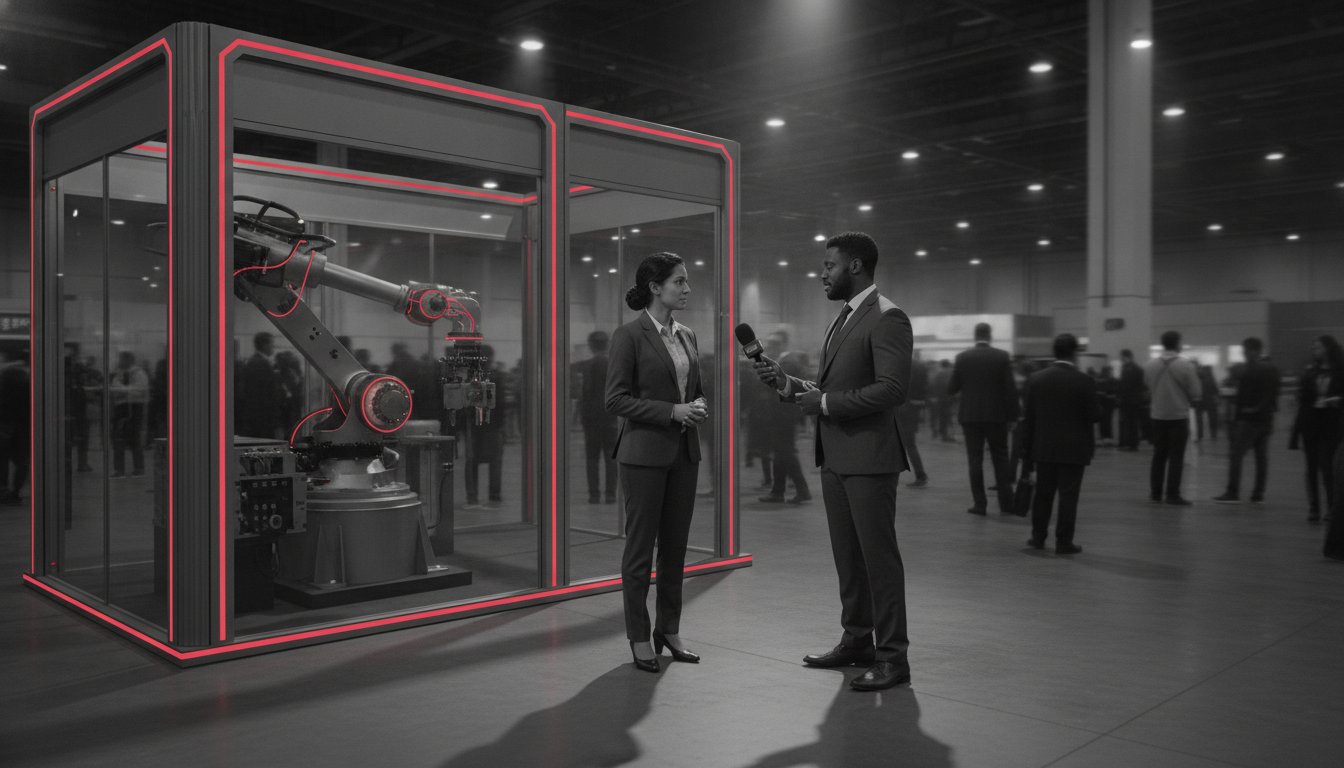
Once the exhibition doors open, the physical environment of your booth becomes the primary stage for your technical narrative. A well-designed stand should function as a dedicated media hub, providing a quiet, professional space for live interviews away from the noise of the main aisles. This physical infrastructure is a critical component of how to maximize media coverage at a trade show; it demonstrates to journalists that you value their time and professional requirements. Beyond your own stand, maintaining a presence in the show’s official press office is essential. Regularly updating the media room with fresh news and ensuring your team is available for last-minute inquiries can significantly increase your visibility among the press corps.
Capturing the energy of the event requires professional Video Production & Photography to create high-quality visual assets in real time. These images and videos serve two purposes: they provide immediate content for social channels and offer trade journals the high-resolution files they need for post-show features. To ensure no opportunity is lost, implement a rigorous lead-tracking system specifically for media contacts. This system should be distinct from your sales database, capturing not just contact details but also the specific editorial interests and deadlines of every journalist who visits your stand.
Media Training for Technical Experts
Technical experts, particularly engineers and product developers, are often the best sources for deep-dive stories, but they require specialized Media Training to excel in high-pressure environments. The challenge lies in synthesizing intricate data into persuasive professional stories without losing technical rigor. This training helps experts stay on message during live interviews and provides the tools to handle "ambush" journalism or difficult questions about competitors with strategic confidence. It's about transforming a subject matter expert into a capable brand ambassador who can communicate value clearly under the bright lights of a camera crew.
The Evolution of the Digital Press Kit
The digital press kit has evolved far beyond the traditional USB stick. Modern journalists require high-speed, cloud-based media rooms that are accessible from any device. These kits must be mobile-responsive, allowing a reporter to download high-resolution imagery or technical whitepapers while walking the floor. A comprehensive kit includes executive bios, structured lists of technical specifications, and ready-to-use video b-roll. By providing these assets in a streamlined, digital format, you remove the friction from the editorial process, making it easier for a journalist to choose your story over a competitor's.
The Long Tail: Converting Event Momentum into Sustained Thought Leadership
The true value of an exhibition is often realized in the weeks following the event. While the show floor provides the initial spark, a structured post-event strategy ensures that the momentum is sustained and translated into long-term industry authority. To fully understand how to maximize media coverage at a trade show, you must view the physical event as a high-output content engine. It's essential to initiate a 48-hour follow-up protocol for every media contact made. This is not merely a courtesy; it's a strategic move to secure the editorial placements discussed during live briefings and to provide any additional technical data journalists require to finalize their stories.
Analyzing media sentiment and coverage reach is the final step in demonstrating the tangible impact of your PR efforts. By examining how your narrative was received, you can refine future exhibition strategies and identify which technical value propositions resonated most with the press. Maintaining these new media contacts through a structured nurture programme ensures that your brand remains top-of-mind for future editorial opportunities. This involves sharing relevant data and industry insights periodically, transforming a one-time interaction into a stable professional partnership.
From Booth Demo to Whitepaper
A five-minute product demonstration on the stand often contains the core thesis for a high-value technical whitepaper. By capturing the specific technical questions asked by journalists and attendees, you can identify the industry's next major thought leadership topic. This process directly supports your technical content marketing strategy, ensuring that your post-show output is grounded in real-world market interest. Repurposing these insights allows you to extend the life of your exhibition investment and reinforces your brand's role as a Strategic Specialist within niche technical sectors.
Social Amplification of Earned Coverage
Earned media coverage shouldn't exist in a vacuum. Once an article is published in a trade journal, strategic tagging of the journalist and the publication on social platforms can significantly extend its reach. Creating "Behind the Scenes" content, such as time-lapse footage of the booth build or informal interviews with the engineering team, humanizes the brand after the formal event concludes. You might also consider using paid social to amplify the most influential editorial placements, ensuring they reach key stakeholders who did not attend the show. If you're looking to bridge the gap between event presence and digital authority, our Exhibition & Event Support services provide the methodical planning required to succeed.
Engineering Your Success: Why Specialised B2B PR Support is Essential
Navigating the intricate landscape of industrial exhibitions requires more than just a physical presence; it demands a partner who speaks the language of both engineering and journalism. While generalist agencies often struggle with the granular details of technical value propositions, a specialised firm understands how to maximize media coverage at a trade show by translating complex data into persuasive professional stories. This distinction is vital in high-stakes sectors where editorial authority is built on technical rigor rather than superficial marketing hype. BCM Public Relations bridges this gap, ensuring that your innovations are not just seen, but understood by the editors who shape market perception.
The value of an agency with deep-rooted relationships in industrial media cannot be overstated. These connections are built over decades of reliable technical delivery, providing a level of access that generalist firms simply cannot replicate. When your PR partner is already a trusted source for trade editors, your technical announcements gain immediate credibility. This partnership provides a sense of security for clients who operate in demanding international environments, knowing their brand's reputation is managed with a blend of professional authority and strategic confidence.
The BCM Approach to Exhibition Support
Our integrated service model encompasses everything from initial Strategic PR Planning to granular on-site media management. We don't just staff a booth; we act as a Strategic Specialist that handles the complexity of your industry with professional grace. With a deep heritage in manufacturing, engineering, and technology, we ensure your narrative is handled with the precision your engineers expect and the clarity journalists require. This approach moves beyond simple exhibition support, offering a roadmap that turns your technical milestones into sustained industry thought leadership. We pride ourselves on a history of success that acts as a seal of quality for clients navigating the global professional landscape.
Maximising Global Reach
Managing PR at international trade fairs, such as Hannover Messe, presents unique challenges in coordination, media relations, and cultural nuance. A London-based agency with a global reach provides the steady hand needed to navigate these complex markets with confidence. Our long-standing industry tenure allows us to leverage deep-rooted relationships with international trade journals, ensuring your brand achieves visibility far beyond the local press room. This global perspective is essential for companies operating in high-stakes professional markets where the sales cycle is long and the value propositions are intricate. We invite you to audit your current trade show PR approach to identify missed opportunities for earned media and brand authority. Contact BCM Public Relations to elevate your next trade show appearance.
Elevate Your Industrial Presence Through Strategic Media Engagement
Transforming an exhibition from a capital-heavy expense into a high-leverage media engine requires a shift from booth-centric tactics to a narrative-driven roadmap. By prioritizing a structured eight-week countdown of technical storytelling and maintaining a rigorous post-event follow-up protocol, you ensure that your innovations achieve the third-party validation they deserve. Mastering how to maximize media coverage at a trade show is ultimately about bridging the gap between intricate engineering data and persuasive editorial content that resonates with top-tier trade journals.
Since 1987, BCM Public Relations has acted as a Strategic Specialist for firms across the manufacturing, engineering, and technology sectors. As a London-based agency with a global B2B reach, we possess the industrial expertise required to translate complex technical milestones into sustained media success. We provide the steady hand and professional grace needed to navigate high-stakes international markets with confidence. Partner with BCM Public Relations for your next global trade show to ensure your brand's technical authority is clearly communicated and widely recognized. Your next exhibition is a prime opportunity to lead the industry conversation; we ensure that opportunity is fully realized.
Frequently Asked Questions
How far in advance should I start my trade show PR campaign?
You should initiate your strategic planning exactly eight weeks before the exhibition doors open. This timeline allows for the development of a high-impact technical narrative and provides trade editors with the lead time required for their print and digital editorial calendars. Starting two months out ensures that your team can secure exclusive previews and manage embargoes effectively, which is a core part of how to maximize media coverage at a trade show.
What should be included in a modern digital press kit for 2026?
A modern digital press kit must be a cloud-based, high-speed media hub rather than a physical storage device. It should contain high-resolution technical imagery, detailed whitepapers, and professionally produced video b-roll. Including executive bios and a structured list of technical specifications ensures that journalists have everything they need to synthesize your complex data into a persuasive professional story while they're on the move.
How do I attract journalists to my booth if I don’t have a new product launch?
Attracting media without a new product launch requires shifting your focus to thought leadership or exclusive industry data. You can invite journalists to your booth for a deep-dive briefing on a complex engineering challenge or a demonstration of a proprietary technical process. By positioning your subject matter experts as authoritative sources on broader industry trends, you provide the substance that specialist editors need for their analytical features.
Is it worth paying for a press conference at a major trade show?
Paying for a formal press conference is only advisable if your announcement represents a major shift in the industry landscape. For many technical firms, a series of targeted, one-on-one media briefings on the booth is often more effective and provides a better ROI. These private sessions allow for deeper technical discussions and help build the long-term relationships that are essential for sustained industry authority.
How can I measure the ROI of trade show media coverage?
Measuring ROI involves analyzing the earned media value and the quality of editorial placements in top-tier trade journals. You should track the increase in brand mentions, media sentiment, and the reach of your technical narrative among key stakeholders. Because 80% of B2B deals are won by the preferred vendor before direct engagement, the third-party validation provided by media coverage is a vital indicator of long-term commercial success.
What is the most common mistake companies make with trade show PR?
The most frequent error is treating the exhibition as a standalone event instead of a catalyst for ongoing thought leadership. Many companies fail to implement a rigorous 48-hour follow-up protocol or neglect to repurpose their booth demonstrations into long-form technical content. This short-term focus prevents them from learning how to maximize media coverage at a trade show and limits the long-term value of their significant exhibition investment.
Should I hire a specialised B2B PR agency or use my in-house team?
While in-house teams understand your products, a specialised B2B PR agency brings deep-rooted relationships with international trade media and the expertise to handle complex technical narratives. These agencies act as Strategic Specialists who can synthesize intricate engineering data into persuasive stories that resonate with editors. This partnership is particularly valuable at large-scale international fairs where the competition for editorial attention is intense.
How do I handle negative media attention or crisis situations at an event?
Handling a crisis requires a pre-established Crisis Communications plan that includes clear protocols for media interactions. Your team should be trained to provide factual, transparent responses while redirecting the conversation to your core technical value propositions. Maintaining professional grace under pressure is essential for protecting your brand reputation in the high-stakes environment of a global trade fair.