
Digital Marketing for Industrial Automation Companies: A Strategic 2026 Framework
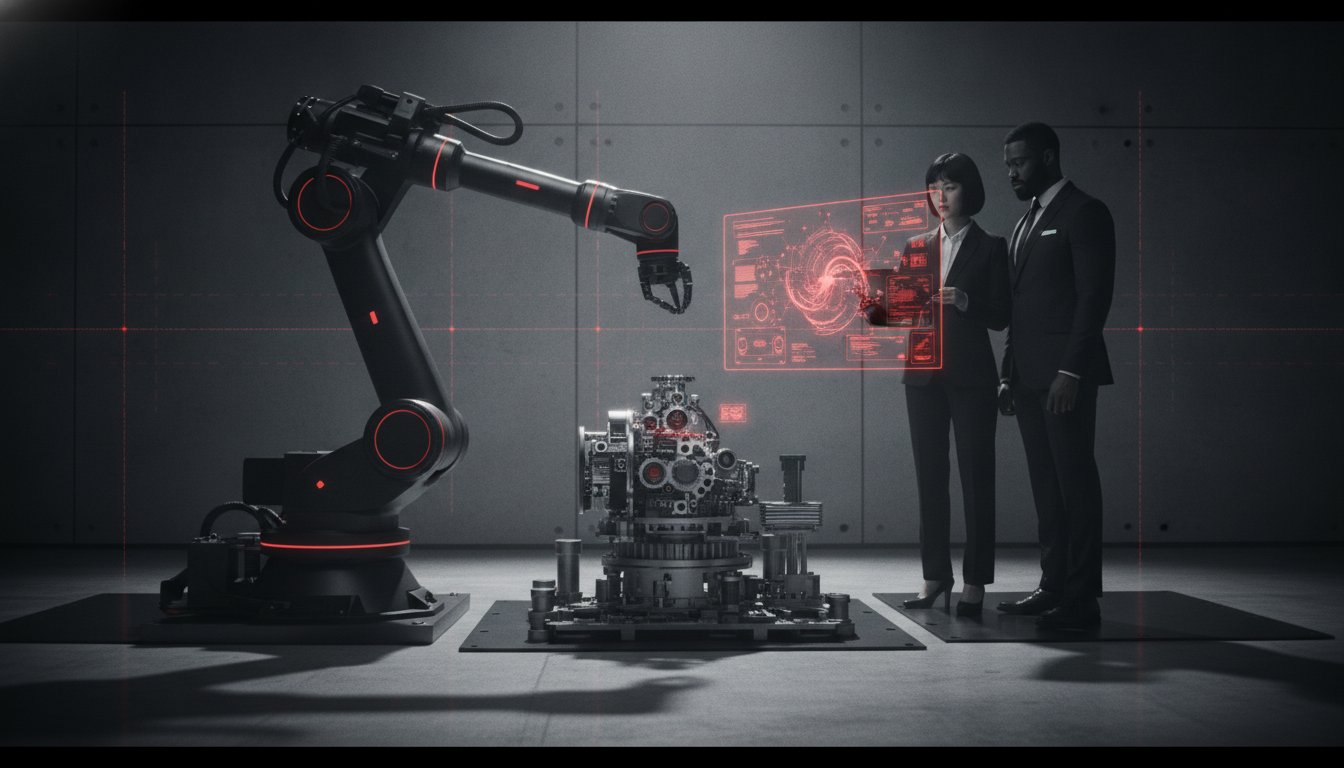
If 74% of B2B buyers conduct their research online before they ever speak with a supplier, your website isn't just a digital brochure; it's your most influential technical consultant. You likely recognize the difficulty of proving ROI to skeptical engineering boards or the frustration of working with generalist agencies that can't grasp the nuances of your hardware. When technical complexity is high, a superficial approach to digital marketing for industrial automation companies simply won't suffice to move the needle on long sales cycles.
This article provides a strategic framework to master the technical marketing strategies required to build authority, engage engineering stakeholders, and drive sustainable growth. You'll learn how to synthesize intricate data into persuasive professional stories that resonate with specialized technical sectors. By aligning your digital presence with 2026 standards such as ISA/IEC 62443 and NIST CSF 2.0, you'll position your firm as a Tier 1 provider. We'll preview how to generate high-quality technical leads while shortening the path from initial inquiry to final commissioning through expert technical copywriting and thought leadership.
Key Takeaways
- Analyze the shift in the 2026 industrial buyer journey toward self-directed digital research to ensure your technical resources are accessible during the evaluation phase.
- Deploy technical copywriting that synthesizes complex PLC and robotics concepts into persuasive value propositions for both engineering stakeholders and procurement heads.
- Integrate precision SEO with strategic media relations to secure high-authority backlinks from trade journals, a cornerstone of effective digital marketing for industrial automation companies.
- Utilize LinkedIn as a digital trade show platform to foster social selling, enabling technical sales teams to move beyond cold outreach toward strategic digital engagement.
- Build a durable reputation moat through proactive thought leadership and crisis communication planning to manage the narrative during automation failures or industry disruptions.
Table of Contents
- The Industrial Automation Buyer Journey in 2026
- Establishing Technical Authority through Expert Content
- Precision SEO and Strategic Media Relations for Automation Brands
- Leveraging LinkedIn and Digital Channels for B2B Outreach
- Navigating Crisis and Reputation in a Connected Industrial Ecosystem
The Industrial Automation Buyer Journey in 2026
The landscape of industrial procurement has undergone a fundamental transformation, moving away from traditional sales-led relationships toward a model defined by digital autonomy. In 2026, the journey to acquire industrial automation systems begins with a deep dive into technical documentation long before a salesperson is contacted. This evolution makes digital marketing for industrial automation companies a critical function of the engineering process rather than a mere promotional activity. Success in this environment requires a departure from generic messaging, replaced by a commitment to providing the operational proof and ROI calculations that skeptical buying committees demand.
Moving away from physical trade catalogs toward digital-first research has fundamentally altered how authority is established in the automation sector. Previously, a thick binder on an engineer's shelf represented stability; today, that stability is signaled by the depth and accessibility of online technical libraries. When a company provides downloadable CAD files, comprehensive API documentation, and real-world performance data, they're doing more than just sharing information. They're demonstrating a level of transparency and technical competence that generalist marketing strategies fail to replicate.
Mapping Stakeholder Priorities in Automation
The modern buying committee is a multifaceted group where technical rigor meets financial scrutiny. Engineers are the primary gatekeepers, focusing on granular details such as protocol compatibility, SCADA integration, and the robustness of IIoT capabilities. Procurement professionals act as the stabilizers, prioritizing long-term supply chain reliability and the total cost of ownership over several years. Meanwhile, C-suite executives view automation through a strategic lens, seeking investments that accelerate their Industry 4.0 transformation and secure a lasting competitive advantage in global markets.
The Long-Tail Search Intent of Automation Professionals
Search intent in the industrial sector is remarkably specific and changes significantly as a project moves from concept to commissioning. Automation professionals don't search for generic solutions; they look for specific technical answers to architectural challenges. During the design phase, this might involve long-tail queries like "synchronizing multi-axis motion control over Time-Sensitive Networking." As they move into the implementation phase, the focus shifts toward operational reliability, with searches targeting integration guides or component tolerances. Digital marketing for industrial automation companies must map content to these precise moments, ensuring that technical specifications are readily available to act as the primary driver of digital engagement.
Industrial automation marketing in the context of Industry 4.0 is the strategic synthesis of physical engineering excellence and digital value propositions to facilitate a seamless transition toward autonomous manufacturing.
Establishing Technical Authority through Expert Content
In the specialized sector of Advanced manufacturing, authority isn't claimed; it's demonstrated. Technical copywriting serves as the backbone of digital marketing for industrial automation companies because it bridges the gap between raw engineering specifications and commercial value. You don't just sell a PLC or a robotic arm; you sell reduced downtime, improved deterministic control, and long-term scalability. This requires a level of linguistic precision that generalist agencies often lack. When your content speaks the language of the factory floor and the executive suite simultaneously, you move from being a vendor to a strategic partner.
High-level thought leadership allows you to bypass the initial gatekeeper phase by addressing executive-level concerns before they're even voiced. By synthesizing intricate technical data into persuasive professional stories, you establish a sense of reliability and partnership. This is where technical copywriting becomes a refined craft, ensuring that your motion control or system integration solutions are viewed as strategic investments rather than mere commodities. A structured hierarchy of content, ranging from technical articles to deep-dive whitepapers, ensures that every stakeholder finds the specific data they need to justify a high-stakes purchase.
The Anatomy of a High-Converting Automation Case Study
A successful case study follows a rigorous "Problem-Solution-Data" framework that mirrors the engineering mindset. It's not enough to say a system works; you must prove it with specific metrics such as Overall Equipment Effectiveness (OEE) improvements, throughput increases, or cycle time reductions. Using professional video and photography to capture the system integration in a live environment provides the visual proof engineering boards require. These assets transform a simple testimonial into an evidence-based roadmap that demonstrates your ability to deliver results in complex, high-stakes environments.
Whitepapers and Technical Guides as Lead Magnets
Whitepapers must offer genuine technical rigor to satisfy the skeptical engineer persona who prioritizes precision over hype. Addressing high-stakes topics like cybersecurity in factory automation, specifically referencing standards like ISA/IEC 62443, builds immediate credibility in a landscape where security is paramount. Generalist copywriters often fail in the engineering sector because they lack the deep domain expertise required to navigate the nuance of industrial protocols and operational technology. Effective lead magnets provide a steady hand to companies navigating complex international markets, establishing your brand as a Tier 1 provider through intellectual curiosity and technical mastery.
Precision SEO and Strategic Media Relations for Automation Brands
Digital marketing for industrial automation companies achieves its highest ROI when digital SEO and traditional media relations function as a single, cohesive unit. In the high-stakes world of industrial procurement, a mention in a top-tier trade journal acts as more than a PR win. It serves as a high-authority backlink that search engines recognize as a validation of technical competence. This integrated approach is crucial for aligning with the 2025 Digital Economy Trends, where the intersection of industrial policy and digital infrastructure dictates market leadership.
Technical SEO in this sector must move beyond superficial optimizations. It requires a site architecture that can handle thousands of SKUs while maintaining clarity for both users and search crawlers. Implementing schema markup for technical components allows search engines to understand specific parameters like ingress protection ratings or communication protocols. This precision is a cornerstone of effective digital marketing for industrial automation companies, helping you dominate the search results for niche authority keywords and ensuring that your traffic consists of decision-makers rather than casual browsers.
Securing Earned Media in Engineering Trade Journals
Success in the automation sector depends on being where the engineers are. Identifying key publications such as Design News or Smart Industry is fundamental to a robust strategic PR plan. There is a direct synergy between a published technical article and your organic search rankings. When an editor chooses to feature your system integration project, they are providing an endorsement that no paid advertisement can replicate. For those looking to refine this process, understanding How to Secure High-Quality Editorial Placements is a prerequisite for building long-term digital authority.
Optimising for the Industrial Search Landscape
The shift from product-focused searches to solution-oriented queries defines the current industrial search landscape. Automation professionals often search for specific outcomes, such as reducing latency in robotic workcells, rather than just searching for a specific brand of robot. Adhering to the principles of E-E-A-T (Experience, Expertise, Authoritativeness, and Trustworthiness) is non-negotiable for B2B technical SEO. By managing third-party registries and industry directories, you create a comprehensive digital footprint that signals reliability to both local and global procurement teams. This methodical approach ensures that your brand remains visible throughout the long tail of the industrial buying cycle.
Leveraging LinkedIn and Digital Channels for B2B Outreach
LinkedIn has evolved into the definitive digital trade show for the sector, accounting for approximately 80% of all B2B leads generated through social media. For firms specializing in robotics or system integration, this platform serves as a continuous networking environment where technical authority is established through consistent professional engagement. Effective digital marketing for industrial automation companies utilizes LinkedIn not merely for broadcasting updates but as a venue for social selling. By equipping technical sales teams with high-value content, organizations can transition from intrusive cold calling to strategic, warm digital introductions that respect the engineer's preference for self-directed research.
Paid social strategies further refine this outreach by targeting specific job titles within OEM and Tier 1 firms. Instead of broad-spectrum advertising, precision targeting allows you to reach Control Engineers and Operations Directors with messaging that addresses their specific operational pains. This methodical approach ensures that your marketing budget is focused on high-stakes decision-makers who have the authority to influence long-term procurement cycles. By focusing on job-title-specific pain points, you bypass the noise of generalist marketing and speak directly to those responsible for Industry 4.0 implementation.
A 5-Step LinkedIn Strategy for Automation Executives
Establishing professional authority begins with optimizing executive profiles to reflect deep technical expertise rather than just managerial tenure. Executives should actively engage with industry analysts and technical influencers, participating in high-level discussions that signal their brand's intellectual curiosity. Sharing behind-the-scenes engineering insights, such as the development of a new motion control algorithm or the integration of a complex SCADA system, humanizes the brand while reinforcing its technical rigor. This strategy moves the conversation from generic sales pitches to evidence-based partnership, positioning the executive as a worldly, experienced consultant who understands the global industrial landscape.
Maximising ROI with Exhibition & Event PR Support
Trade shows represent a significant capital investment; however, their impact is often confined to the event's physical duration if not supported digitally. Digital marketing for industrial automation companies extends this value by turning participation into a multi-channel content campaign that provides "digital fuel" for weeks. Before the doors open, social media channels should be used to drive booth traffic through technical teasers and meeting invitations. Once the event concludes, the focus shifts to converting leads through targeted digital content that reinforces the solutions demonstrated on the floor. For a deeper look at this process, you can explore our guide on Strategic Exhibition & Event Support: A Guide for B2B Industrial Leaders.
If you're ready to transform your digital outreach into a predictable engine for growth, our team is prepared to develop a Strategic PR Planning framework tailored to your specific technical requirements.
Navigating Crisis and Reputation in a Connected Industrial Ecosystem
In a connected industrial landscape, the digital impact of a technical failure is immediate and far-reaching. When an automated system underperforms or a component is recalled, the news travels through professional forums and social channels before a formal statement can often be drafted. This reality dictates that digital marketing for industrial automation companies must encompass more than lead generation; it must prioritize the protection of your most valuable asset: your reputation. Integrating Crisis Communications into your broader digital strategy ensures that you aren't merely reactive when challenges arise but are prepared to manage the narrative with precision and authority.
Building a digital reputation moat is a long-term strategic endeavor that relies on consistent Thought Leadership and technical transparency. By establishing a history of expertise through the whitepapers and technical articles discussed in previous sections, you create a buffer of credibility that can withstand temporary operational setbacks. This proactive stance transforms your digital presence into a persistent seal of quality, making it harder for competitors or detractors to undermine your standing in the market. BCM combines over 30 years of industrial PR experience with modern digital monitoring to identify potential risks before they escalate into full-scale reputational crises.
Protecting the Brand During Technical Recalls
Technical recalls require a rapid, multi-channel response to maintain stakeholder trust. Your social media management and search engine presence must be synchronized to provide clear, factual information that mitigates speculation. Media Training for executives is essential in these moments, as the ability to handle high-stakes digital scrutiny can be the difference between a minor disruption and a lasting brand scar. Consistency across both digital and traditional channels ensures that your message remains unified, reflecting the reliability your clients expect from a Tier 1 provider. A well-executed response can actually strengthen a brand by demonstrating accountability and technical competence under pressure.
The BCM Advantage: A Strategic Specialist Partner
Choosing a specialist B2B engineering PR agency offers a distinct advantage over generalist digital firms that lack deep industry knowledge. We understand the nuances of industrial sales cycles and the technical rigor required to persuade an engineering board. Our history is rooted in translating complex engineering concepts into global growth stories, offering a steady hand to companies navigating the complexities of international markets. We don't just manage clicks; we manage the specialized communication niche that defines your authority in the automation sector. Partner with BCM Public Relations to elevate your industrial automation brand and secure your position as a leader in the global professional landscape.
Securing Your Position in the 2026 Industrial Landscape
Mastering the digital landscape requires a methodical synthesis of technical rigor and strategic visibility. You've seen how the buyer journey now prioritizes digital autonomy, making engineering-grade content the primary driver of engagement. By integrating earned media with precision SEO, your firm can establish a reputation moat that protects your market share even during periods of volatility. Successfully executing digital marketing for industrial automation companies involves more than just generating traffic; it's about building a foundation of authority that resonates with every member of the procurement committee.
With over 35 years of industrial PR experience and a global presence in London and New York, BCM understands the intricate nature of specialized manufacturing sectors. We specialize in technical copywriting and thought leadership that translates complex innovations into persuasive growth stories. If you're ready to move from generalist tactics to a refined, results-oriented framework, we're here to guide your transition. Elevate your automation brand with a strategic PR and digital audit to ensure your technology remains the preferred choice in an increasingly connected global market. The path to Tier 1 status starts with a commitment to precision and professional grace.
Frequently Asked Questions
How long does it take to see results from digital marketing in industrial automation?
Tangible results from digital marketing for industrial automation companies generally manifest within six to twelve months. This timeline accounts for the extended sales cycles and technical complexity inherent in the sector. Initial indicators of success include increased engagement with technical whitepapers and improved search rankings for solution-based keywords. A steady, methodical approach ensures that the authority built is sustainable and aligns with the long-term procurement phases of Tier 1 partners.
Is LinkedIn actually effective for selling complex automation systems?
LinkedIn is highly effective because it acts as the primary digital forum for professional networking in the automation sector. It facilitates social selling by allowing technical teams to share engineering insights directly with job-title-specific decision makers. This platform moves the needle on complex sales by establishing professional authority before the first formal inquiry. By focusing on technical rigor rather than superficial promotion, automation brands can foster high-value partnerships within a global professional landscape.
Should we focus on SEO or PR first for our manufacturing brand?
Strategic growth requires that SEO and PR be executed in parallel rather than sequentially. A mention in a respected trade journal provides a high-authority backlink that significantly boosts organic search rankings for technical components. This synergy ensures that your brand builds immediate credibility while simultaneously optimizing for long-tail industrial search intent. Balancing earned media with precision digital optimization creates a comprehensive digital footprint that signals reliability to skeptical engineering boards.
How do you measure the ROI of technical content marketing?
Measuring ROI involves tracking lead quality and the reduction in overall sales cycle duration. Instead of focusing on vanity metrics like page views, organizations should monitor the conversion rate of technical downloads and the influence of thought leadership on key account acquisition. Successful technical marketing demonstrates its value by shortening the time from initial research to final commissioning. Precise data on operational improvements acts as a primary driver for these financial justifications.
What is the role of video in industrial automation marketing?
Video serves as essential visual proof for complex system integrations and robotic performance. Short-form demonstrations and expert interviews provide the technical clarity that static images cannot achieve. These assets are particularly effective for humanizing the brand and demonstrating operational efficiency in high-stakes environments. Using professional video production allows automation providers to synthesize intricate data into persuasive stories that resonate during the evaluation phase of the buyer journey.
Can a generalist marketing agency handle technical engineering content?
Generalist agencies often fail to grasp the nuances of industrial protocols and operational technology required for effective communication. Digital marketing for industrial automation companies requires a refined craft that only a strategic specialist can provide. Without deep domain expertise, content often lacks the technical rigor needed to satisfy skeptical engineering gatekeepers. A specialist partner ensures that every technical value proposition is translated with linguistic precision, maintaining credibility within niche professional markets.
How does digital marketing support our presence at trade shows like SPS or Automatica?
Online strategies extend the operational life of physical exhibitions like SPS or Automatica. Pre-event campaigns drive booth traffic by highlighting specific technical innovations, while post-event nurturing converts leads through targeted technical documentation. This integrated approach ensures that your presence at major fairs delivers value far beyond the physical duration of the event. Capturing high-quality visual assets during the show allows for a continuous content stream that reinforces your status as a Tier 1 provider.
How do we handle negative online sentiment during a product recall?
Managing negative sentiment requires a rapid-response crisis communication plan that prioritizes technical transparency and accountability. Consistent messaging must be deployed across all digital and traditional channels to mitigate speculation and protect brand reputation. Media training for executives ensures that digital scrutiny is handled with professional grace and strategic confidence. A proactive reputation moat, built through years of thought leadership, provides the necessary credibility to navigate these challenging periods without lasting damage.